People
The Visible College brings together scholars and researchers from across disciplines — physics, medicine, philosophy, sociology, history, law, and engineering — united by a commitment to rigorous, open inquiry into anomalous phenomena.
The following members have chosen to be publicly visible. Our membership extends beyond those listed here, and we expect this page to grow.
Leadership Team
Members of The Visible College who shape its direction and lead its research, education, and outreach initiatives.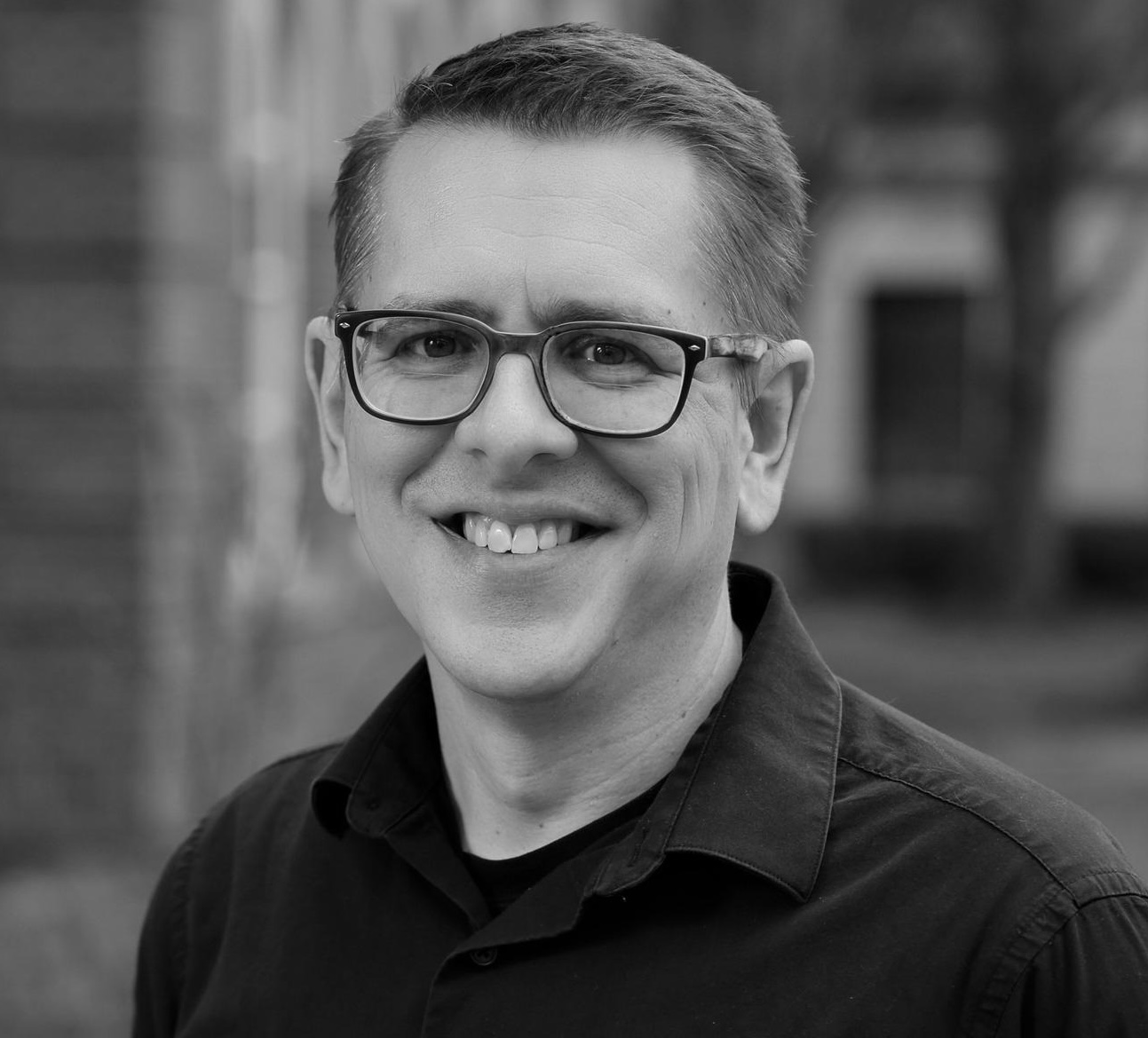
Steven Brown, Ph.D.
Associate Professor of Teaching Philosophy, The Ohio State University
Steve received his B.A. from the University of Pittsburgh and a Ph.D. from the Ohio State University. His work primarily focuses on cross-cultural philosophy of religion, virtue ethics, and the promotion of global flourishing. He has recently taken an interest in UFOs and related phenomena, exploring their potential impact on our self-understanding as humans, especially with regard to our place in the universe.
Steve has lectured on the epistemology and practical importance of recent UAP-related events in Washington, D.C. and is currently working with a team of research scientists attempting to understand the Nazca Mummies.
In 2023, Steve was awarded the Alumni Award for Distinguished Teaching for his work at Ohio State.
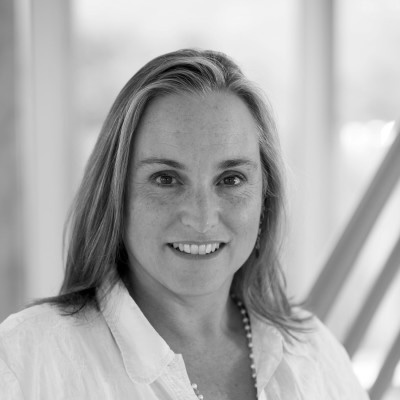
Janis Whitlock, Ph.D., M.P.H.
Research Scientist Emerita
Janis received a B.A. from UC Berkeley, an M.P.H. from UNC-Chapel Hill, and a Ph.D. in Developmental Psychology from Cornell University. In addition to over a decade of direct service in the areas of human health and wellbeing, she has spent the last 25 years as a scholar focused on contextual and intrapersonal conditions that affect human development, perception, and emotional and mental (in)stability. She has been particularly interested in understanding the conditions under which challenging experiences cultivate wisdom, resilience, and prosocial impulses.
Janis’s scholarly work is informed by several decades of study of indigenous spiritual traditions and practice of yogic traditions, particularly those rooted in Kashmir Shaivism. It is the fusion of these broad domains that lead her to her current interest in consciousness and pathways for supporting individual and collective adaptation in the wake of ontological shock.

Alaina Hardie
Director of Technology
Alaina has worked in programming, engineering, robotics, software architecture, data science, and information security over 38 years. After completing the Graduate Studies Program (GSP ‘11) at Singularity University, she served as a Teaching Fellow in “Networks & Computing Systems” and “Digital Biology,” and held the position of Chief Maker. She is the co-author of the genetic testing e-book “Genetics: The Universe Within (2017)”, and is currently a Principal Engineer.
Her academic interests center on bioinformatics, particularly genomics and human migration, which she examines through the framework of population genetics. She is curious about how shifting genetic landscapes can shed light on shared human heritage. In addition to her work in genomics, she applies scientific methods to the study of Unidentified Anomalous Phenomena (UAP), exploring how potential non-terrestrial evolutionary models might inform our broader understanding of life’s origins and possibilities.
At The Visible College, she oversees technical projects and collaborates with colleagues to blend computational approaches with research in various academic fields. Her background in technology and long-standing enthusiasm for interdisciplinary studies guide her investigations, while her practical experience supports a balanced perspective on emerging areas of inquiry.
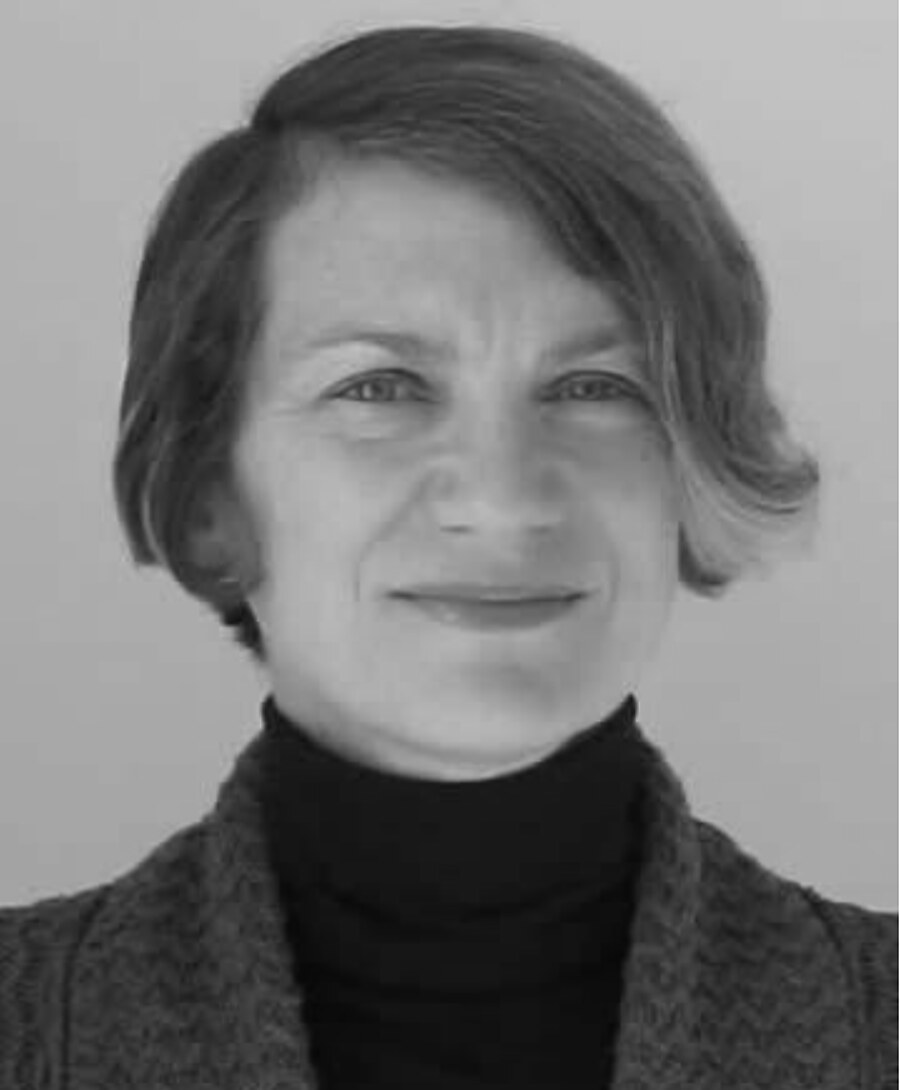
Rebecca Krinke
Artist-in-Residence, The Visible College; Professor of Landscape Architecture, University of Minnesota
Rebecca Krinke is a transdisciplinary artist, designer, researcher, and educator whose practice, Earthling School, explores relational ways of learning and being between humans, all species, and the Earth — including non-human intelligences and the larger cosmos. As a lifelong experiencer of psi phenomena, she is dedicated to opening doors within academia to recognize these encounters as a legitimate and vital aspect of the human experience.
Krinke’s work is grounded in “two-eyed seeing,” a framework through which she investigates perception, consciousness, and synchronicity by collaborating directly with scientists and Indigenous Knowledge Keepers at the Cedar Creek Ecosystem Science Reserve and the Bernard Field Station. Krinke was recently invited to speak about Earthling School at “In the Cloud of Unknowing: Encounters with the UFO Phenomenon” at Mildred’s Lane. She disseminates her work through artist residencies, including at the Weisman Art Museum, gallery shows (the Pitzer College Art Gallery, 2025), writing (book chapter forthcoming in Artful Science, Ecological Arts: Transdisciplinary Curiosity for Creating Beautiful Futures, David Syring, PhD, editor), and experiential, participatory works. Krinke taught at the Harvard Graduate School of Design before joining the University of Minnesota faculty. She is the recipient of the 2026 ASLA-MN Lob Pine Award for leadership in landscape architecture.
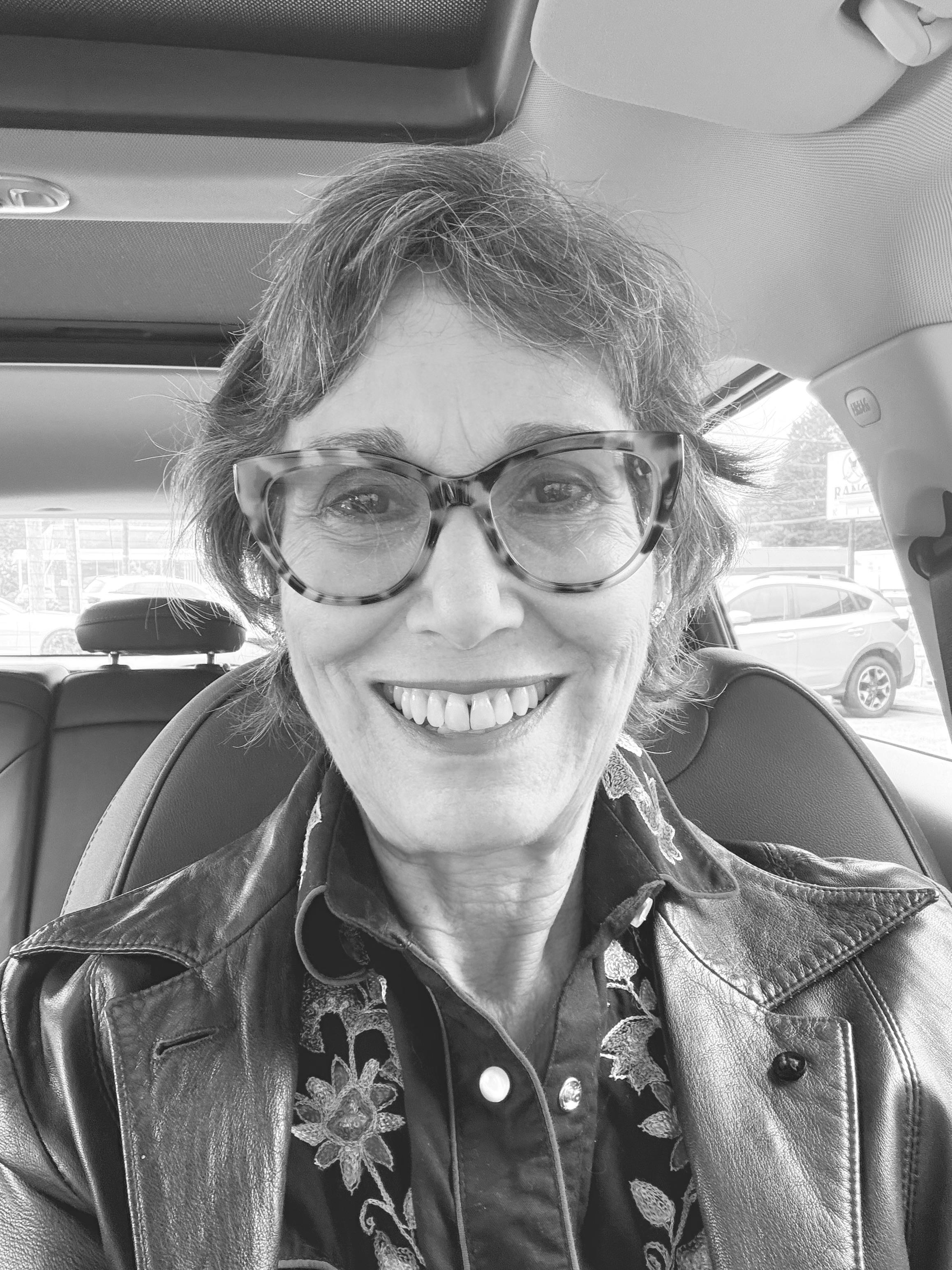
Sioux Oliva, Ph.D.
Historian and Author
Sioux earned her Ph.D. in History from the University of Southern California in 1999. Her career has centered on project management for high net worth individuals and institutions. Her first project was managing a non-profit website introducing the teachings of The Urantia Book to a wider audience, sponsored by Lyn and Norman Lear. Other notable clients include Mrs. Robert F. Kennedy, the Estate of Marilyn Monroe, and Sally Quinn and Ben Bradlee (four family history projects), along with research projects for The Getty, the City of Los Angeles, and The Autry Museum of the American West.
Sioux is the author of Dr. Sadler and The Urantia Book: The Historic Origins of a Spiritual Revelation in the 20th Century. The book compares the work’s “origin story” — Dr. William S. Sadler’s claim that a group of non-human intelligences communicated through a sleeping man in Chicago from 1911 to 1923 — with the scholarly record of the facts and circumstances surrounding its publication.
Eighteen months of immersion in UFO/UAP research has led Sioux to rethink that biography. She now reads Sadler as an “experiencer” who had contact with non-human beings and observed UAPs for decades during his lifetime. Her forthcoming book, EPOCHAL: The Sadlers, Non-Human Intelligence and The Urantia Book, will be available in the summer of 2026.
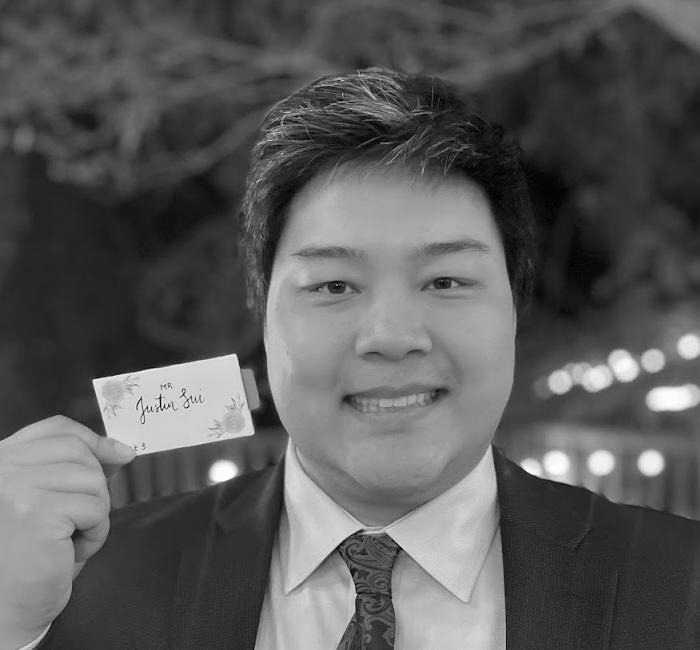
Justin Sui, Ph.D.
Justin Sui is an M.D./Ph.D. student who recently completed his Ph.D. in Cell and Molecular Pathology. With a life-long passion for answering scientific questions in biology, he has worked with numerous model systems ranging from the fruit fly to mice. Supporting and supported by colleagues in The Visible College, Justin aims to use his medical and scientific training to help bridge the gap between the esoteric and traditional academia, and to contribute to educational efforts more broadly.
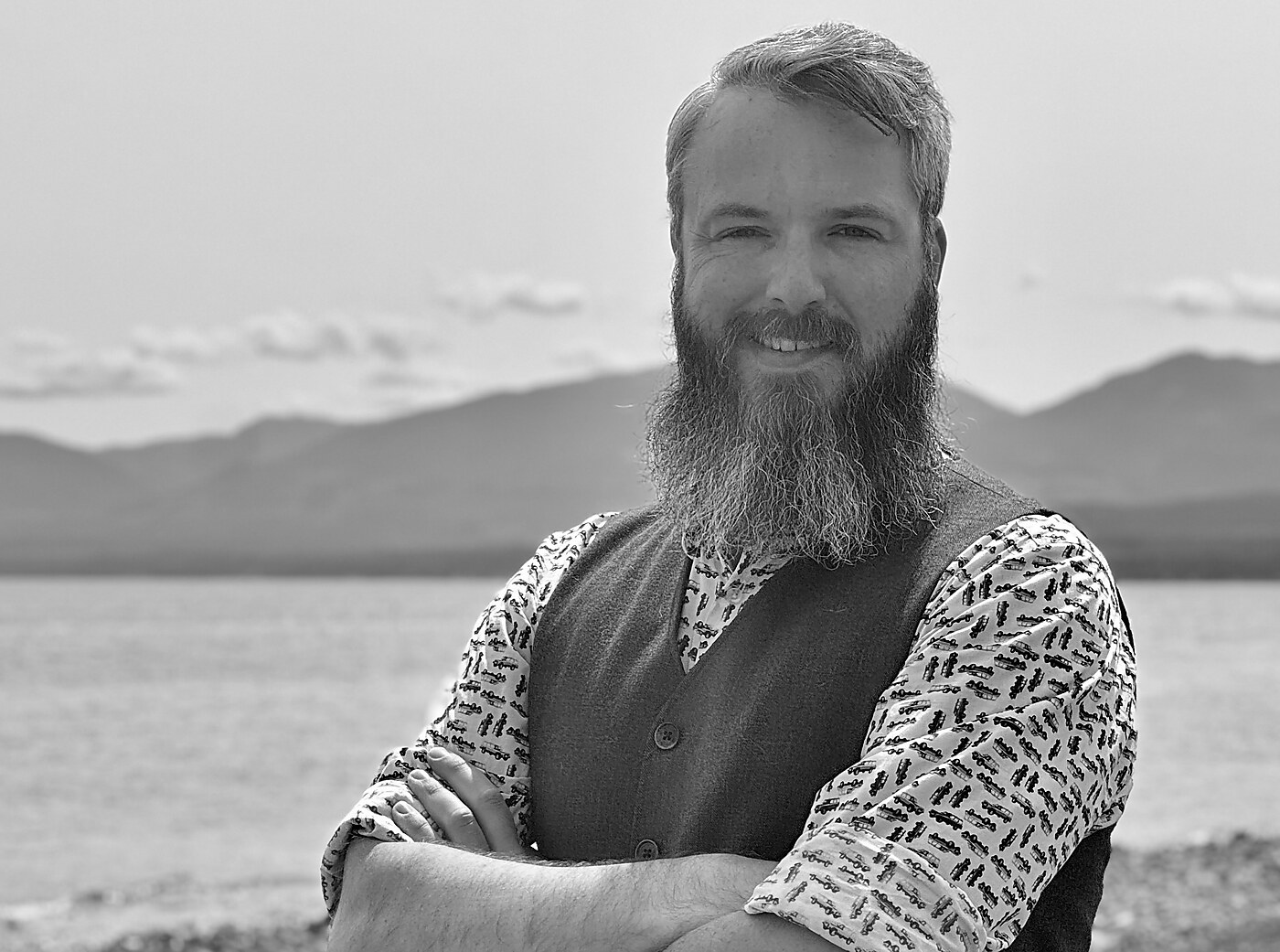
Craig Whitton, M.Sc.
Director of Student Affairs; Founder, Authentik Consulting & Training
Craig Whitton is a leadership consultant and higher education administrator focused on disruption, crisis response, behaviour management, and institutional resilience. He is the founder of Authentik Consulting & Training, where he supports leaders navigating complex social, technological, and organizational change.
Craig’s work spans emergency management, student conduct, restorative justice, behavioural risk management, and public-sector leadership. He holds a BA (Honours) in Political Science from the University of Guelph and an MSc in Risk, Crisis and Disaster Management from the University of Leicester. He is an award-winning speaker with multiple “Best Of” presentation awards, as well as recognition from professional associations including the RLPA’s Josie Lamothe Memorial Award for contributions to Housing and Residence Life and NWACUHO’s David B. Stephen Award for Distinguished Service.
His current work explores the leadership and societal implications of Unidentified Anomalous Phenomena and other major disruptors, with a focus on transparency, public trust, and helping institutions transform disruption into meaningful change.
Members
Scholars, researchers, and practitioners contributing to The Visible College's work across disciplines.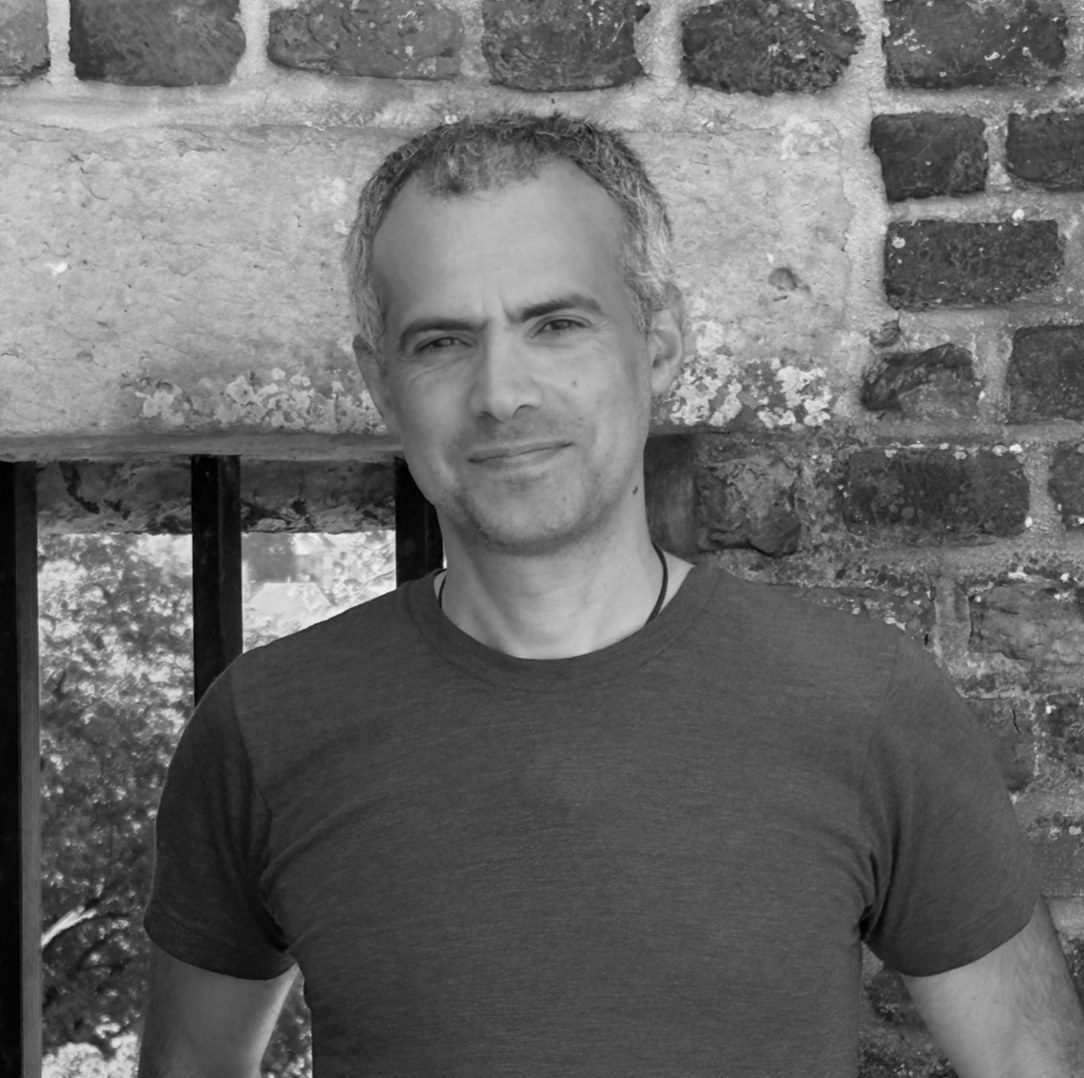
Andrea Lani, Ph.D.
Research & Team Manager at University
Dr. Andrea Lani is an aerospace engineer with a PhD in Engineering Sciences. He has worked with organizations such as NASA Ames, Stanford, NATO Science & Technology Organization, and the Von Karman Institute. He has been a member of the American Institute of Aeronautics and Astronautics since 2007, and member of the Scientific Coalition for UAP Studies since 2023. He is currently research and team manager at a top Belgian university, leading the development of computational models for hypersonic re-entry flows, space weather and solar phenomena simulations. He has been the PI for a large EU project successfully developing the first magnetic shielding prototype for re-entry based on high-temperature superconductors. He has co-authored 100+ scientific papers so far.
Outside of his official work, Dr. Lani has also been an experiencer of UAP/NHI since 1983 and has collected plenty of data points for various phenomena (UFO, electromagnetic and time anomalies), including videos/photos and, through collaborations, experimental measurements during meditative state using hyper-spectral cameras, EEG (at the Institute of Noetic Sciences) and quantum imaging. He has discussed some of these experiences, data and findings in interviews (e.g. with Ross Coulthart on NewsNation), in conferences and seminars.
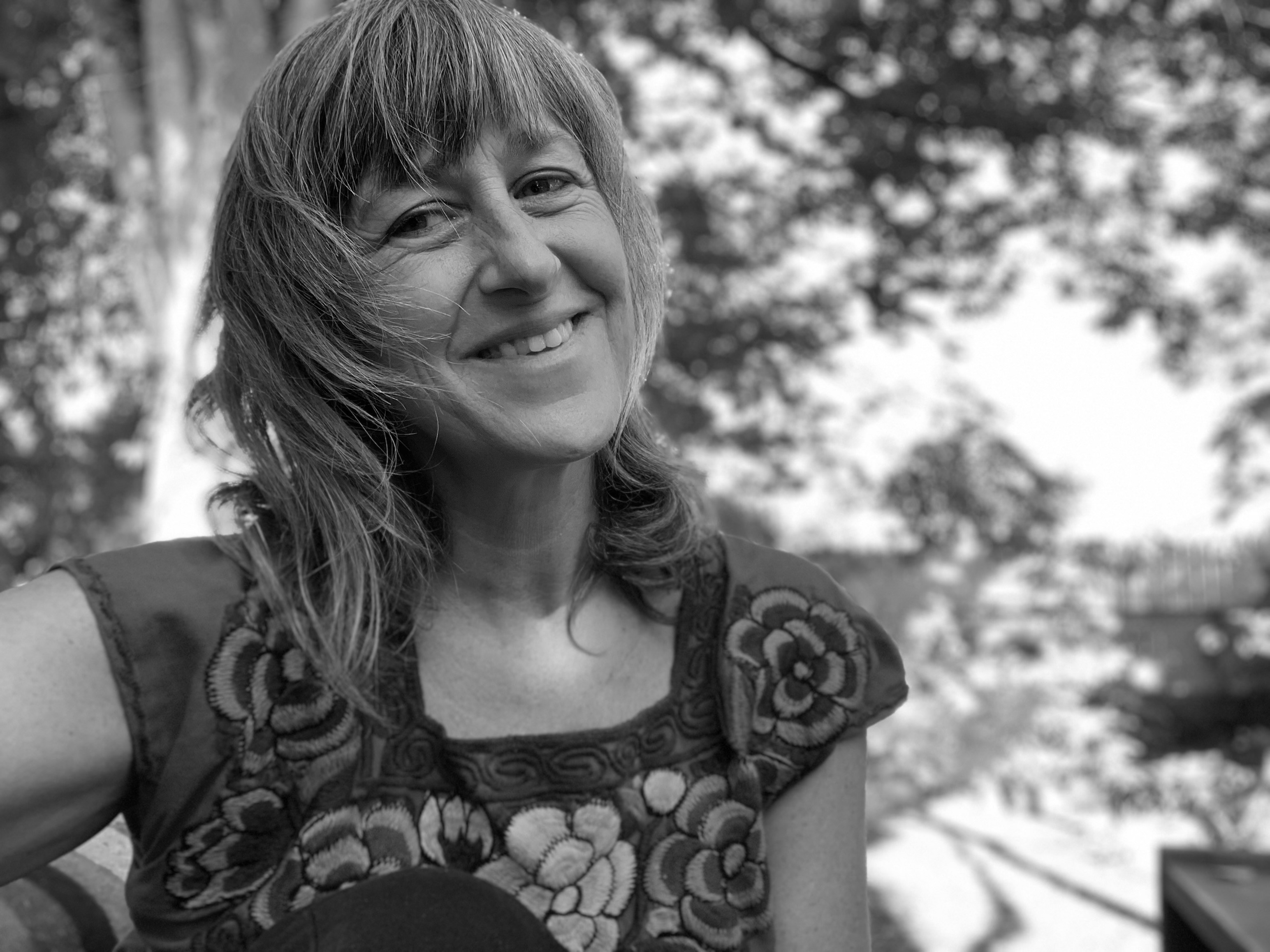
Claire Kucera, M.S.
Educator & Curriculum Designer
Claire holds a Master of Science in Education with an emphasis on social-emotional learning and has more than twenty-five years of experience teaching in a wide variety of schools with children of all ages. Her practice is grounded in Reggio Emilia principles, with mindfulness, wellness, and embodiment at its core, supporting the whole child while fostering curiosity, reflection, and the skills needed to navigate uncertainty.
Her academic background in anthropology, religion, and mythology examines the complexity of extraordinary and religious experiences across cultures and history. As an experiencer herself, Claire brings insight into how such phenomena shape perception and meaning-making, informing her teaching and curriculum design.
Claire collaborates with children, educators, parents, and administrators to cultivate intellectual humility and foster inquiry. She is developing a new humanities curriculum that spans the full spectrum of human experience and creates resources and books for children that highlight curiosity, imagination, and art while encouraging the creation of beautiful and meaningful questions. Her work addresses anomalous phenomena and systemic challenges, supporting the wellness of students, teachers, and the broader educational system, and connecting youth to pressing societal topics—even when clear answers are not available.
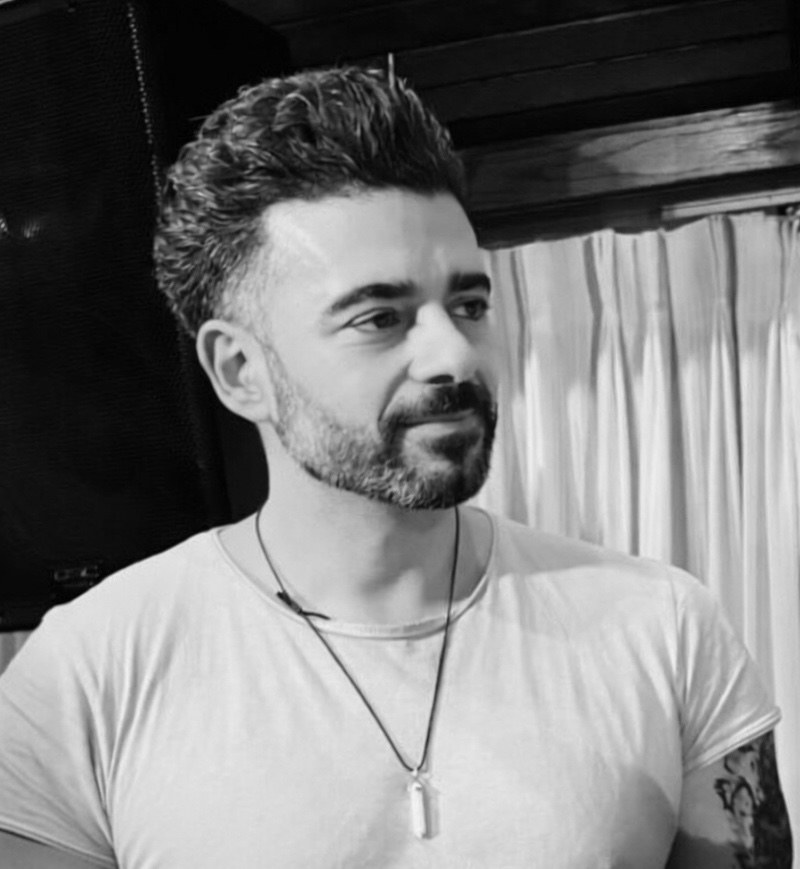
Anthony Miller, M.P.P.
Researcher and Communicator, Anomalous Phenomena Studies
Anthony is a researcher in the metacrisis space and a community organizer, experiencer, and podcaster in the UFO/UAP and consciousness field. As co-host of the Fire In The Cosmos podcast and a member of The New Paradigm Institute’s Citizens for Disclosure, he’s focused on legitimizing the discourse around anomalous phenomena and extraordinary human experience.
Anthony is a 1st-generation immigrant from Lebanon and holds a Master of Public Policy from George Mason University and a B.A. in International Studies from Virginia Tech. In his former career, he spent 15 years working as an open-source intelligence analyst with U.S. government contractors in the unclassified world.
Kharisma Montes de Oca, M.S., J.D.
Legal Researcher | Sitting for the July 2026 Bar Exam
Kharisma Montes de Oca is a Washington State municipal planner and 2026 Juris Doctor graduate of Seattle University School of Law, currently sitting for the July 2026 Bar Exam. With over a decade of experience in land use planning, environmental review, and policy development across King and Pierce County jurisdictions, she brings a regulatory and public policy lens to the study of anomalous phenomena. Her planning practice has included extensive public engagement and community education, translating complex regulatory matters into accessible information for diverse audiences to fulfill municipal due process and public notice obligations. Earlier in her career, she worked at the Center for Student Involvement and Leadership at the University of Arizona and taught project management courses at technical colleges in the Seattle area. She holds a Municipal Leadership certificate from Greater Tucson Leadership, certified training in mediation, and FEMA certifications in emergency response protocols, and is bilingual in English and Spanish.
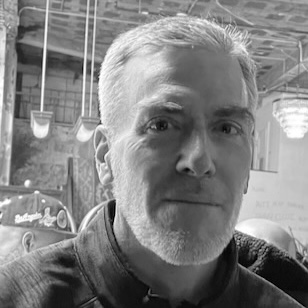
Brannon Wheeler, Ph.D.
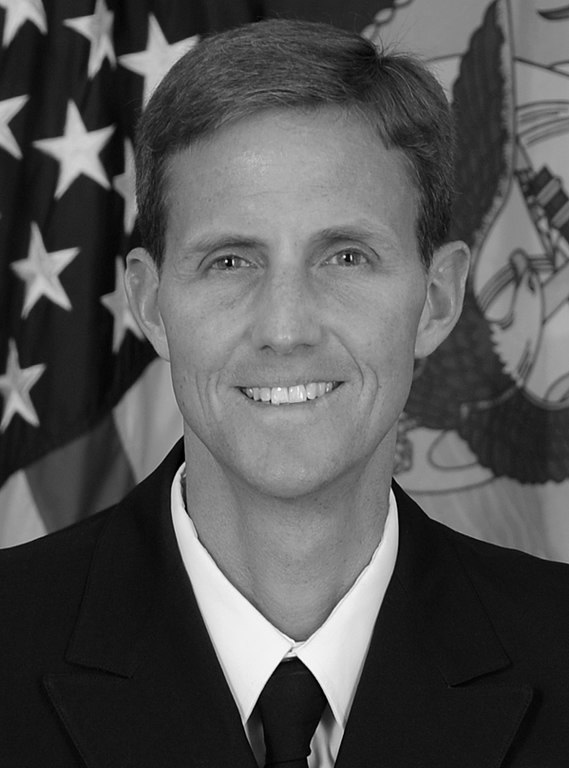
Brannon is a historian of religion (PhD, University of Chicago) with over 30 years of experience studying religions, ancient texts, and paranormal phenomena. He has traveled to and done research in more than 50 countries across the world, conducting research in many unusual languages, and has been a visiting scholar at more than a dozen institutions in Europe, the Middle East, Asia and across the United States. He is currently a professor of history at the United States Naval Academy in Annapolis, and has published eleven books. His current work focuses on how non-human intelligences communicate with humans.
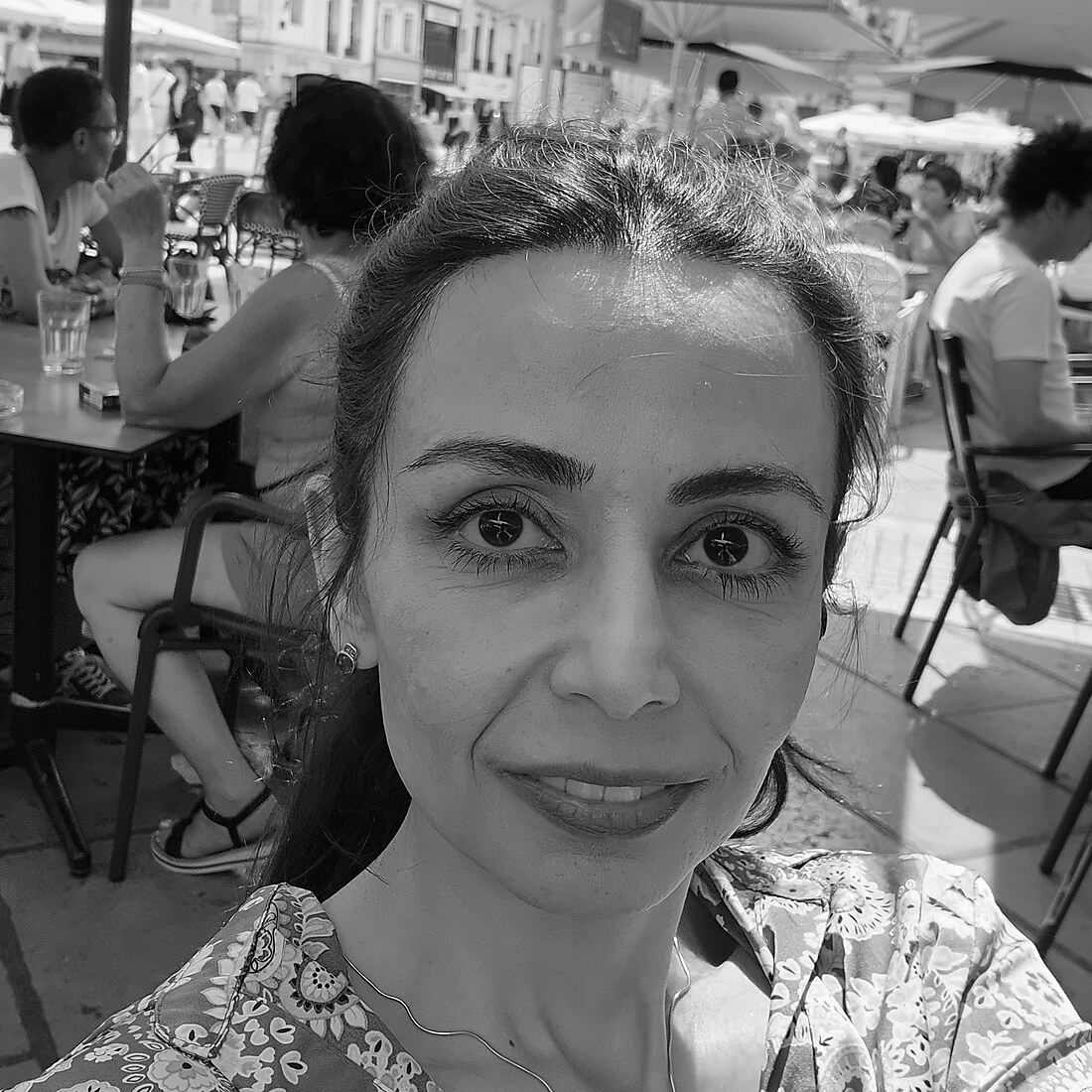
Maryam Dilmaghani, Ph.D.
Professor of Economics, Saint Mary's University
Dr. Maryam Dilmaghani joined Saint Mary’s University as a tenure-track assistant professor of economics in 2011. Currently a full professor of economics, Maryam holds a PhD in economics from McGill University and other degrees from Université de Montréal and Université de Montpellier. Her research spans applied economics, public policy, and interdisciplinary social inquiry, with past work focusing on minority economic outcomes, gender, religion, and identity-related inequalities. Her scholarly contributions have appeared in economics and interdisciplinary journals, and she has participated in several research initiatives supported by the Social Sciences and Humanities Research Council of Canada (SSHRC), including projects related to poverty, wellbeing, and entrepreneurship among underserved populations.
More recently, Maryam’s research has expanded into the governance and public administration dimensions of Unidentified Anomalous Phenomena (UAP). Using national Canadian survey data from the Sky Canada Project, her emerging scholarship examines citizen attitudes toward disclosure, governmental legitimacy under uncertainty, security framing, and public responses to acknowledged institutional incompleteness. Her recent work proposes the concept of Acknowledged Ignorance Disposition (AID), which examines how citizens respond when governing institutions publicly acknowledge unresolvedness regarding governance-relevant phenomena.
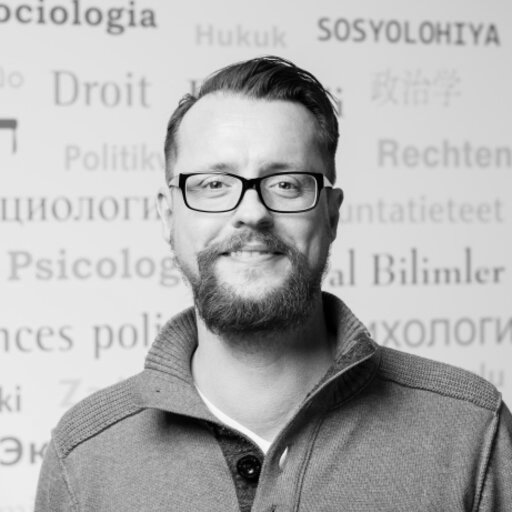
Christian Peters, Ph.D.
Managing Director, Bremen International Graduate School of Social Sciences (BIGSSS), University of Bremen
Christian Peters holds a Ph.D. in Political Science from TU Dresden and École Pratique des Hautes Études in Paris, France. His research and publications cover religion and politics, higher education policies, political epistemology, and the social science of UAPs. In 2023, he co-authored “It’s Time to Hear from Social Scientists about UFOs” in Scientific American.
Christian is an active (board) member of the Society for UAP Studies (SUAPS) and contributing member to SCU.
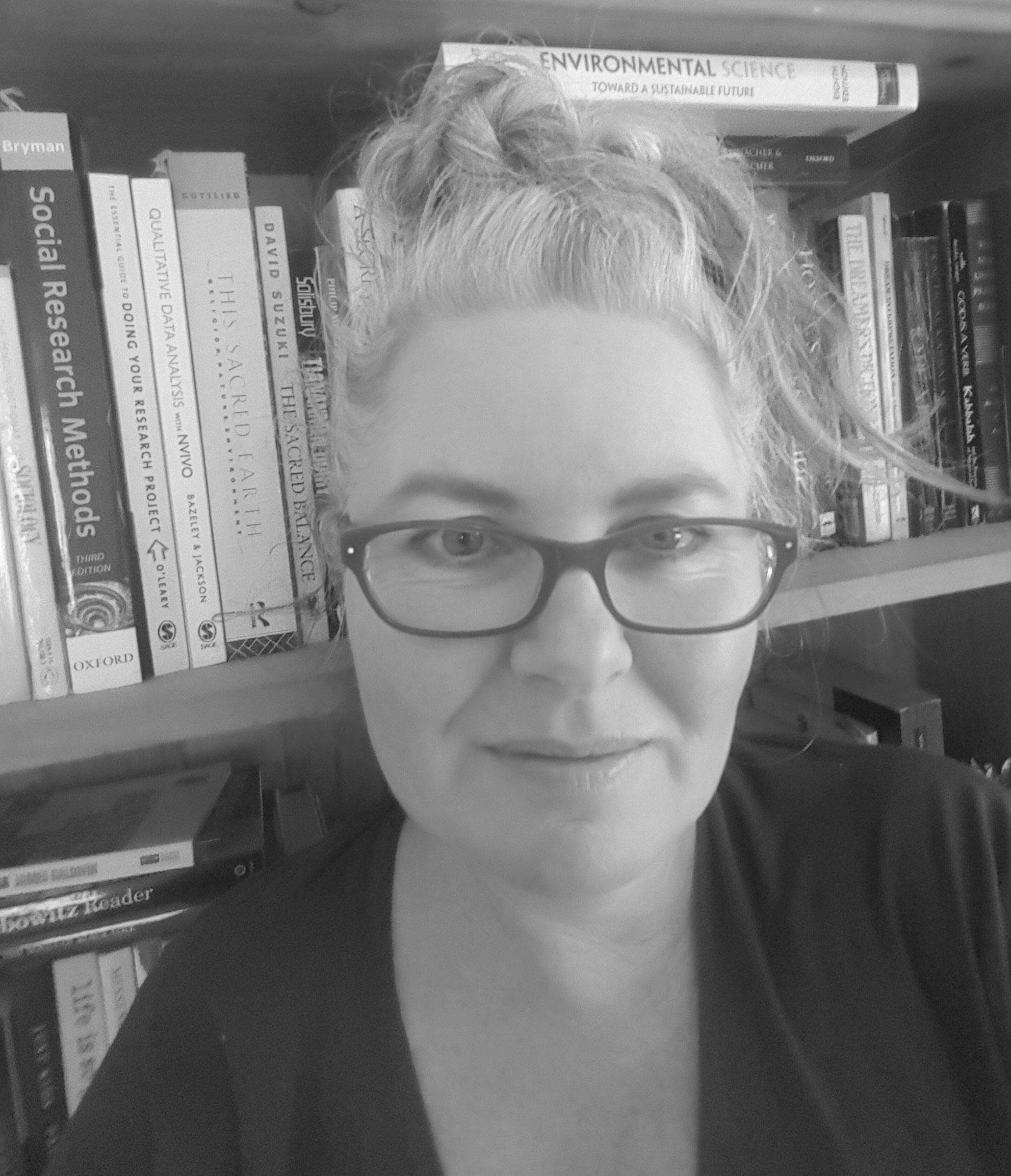
Tania Searle, Ph.D.
Tania is a sociologist in South Australia and teaches in both the social sciences and health sciences. Her research interests include Indigenous self-determination and the role of settler allies, posthumanism, and unsettling Western conceptions of humanness and sovereignty. Prior to her academic career, Tania worked in grassroots community organisations, including an Aboriginal owned art gallery and museum, progressive Judaism, and environmental activism. Tania is passionate about social justice and the development of meaningful relationships between humans, other life forms, and more-than-human Entities (nature, landscape, climate, water, and Spirit).
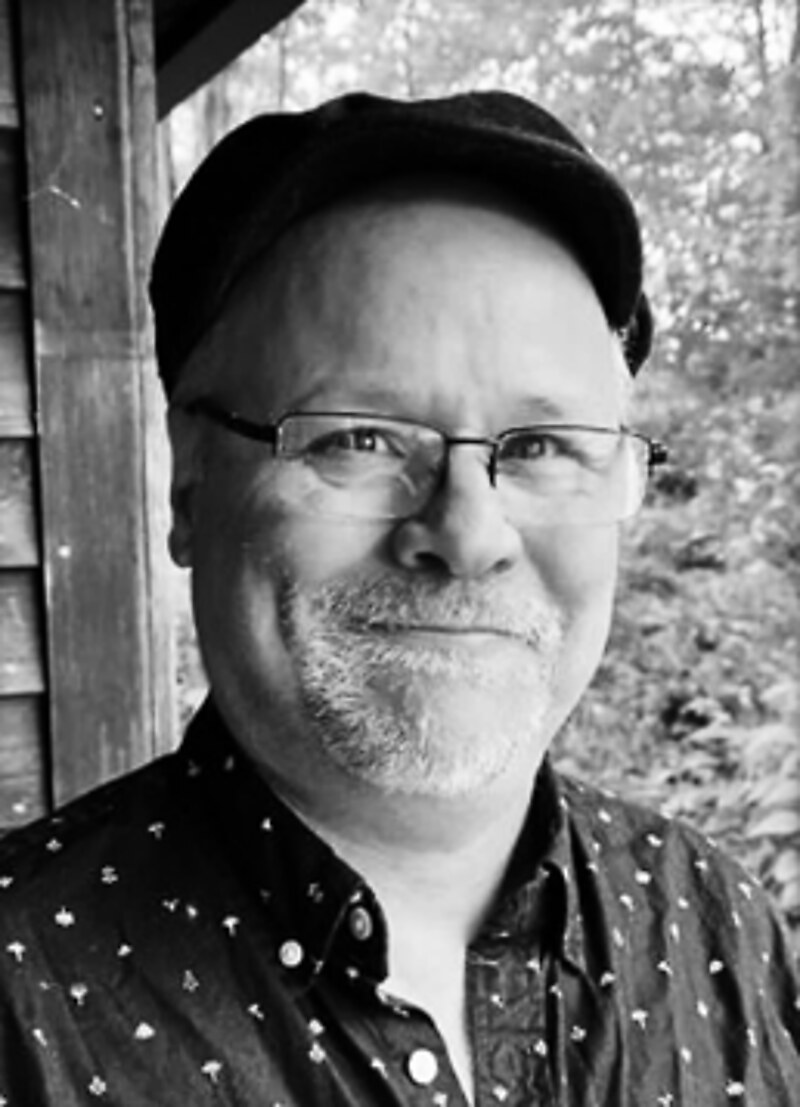
Christopher Noel
Independent Scholar, Consciousness Studies and Sasquatch Field Researcher
Chris’s most recent work focuses on the underappreciated resonances between the UAP/”alien” phenomenon and other manifestations of consciousness such as psychokinesis and the afterlife. He has also written numerous books on Sasquatch, most notably linking their remarkable capacities to those of autistic savants of our own species.
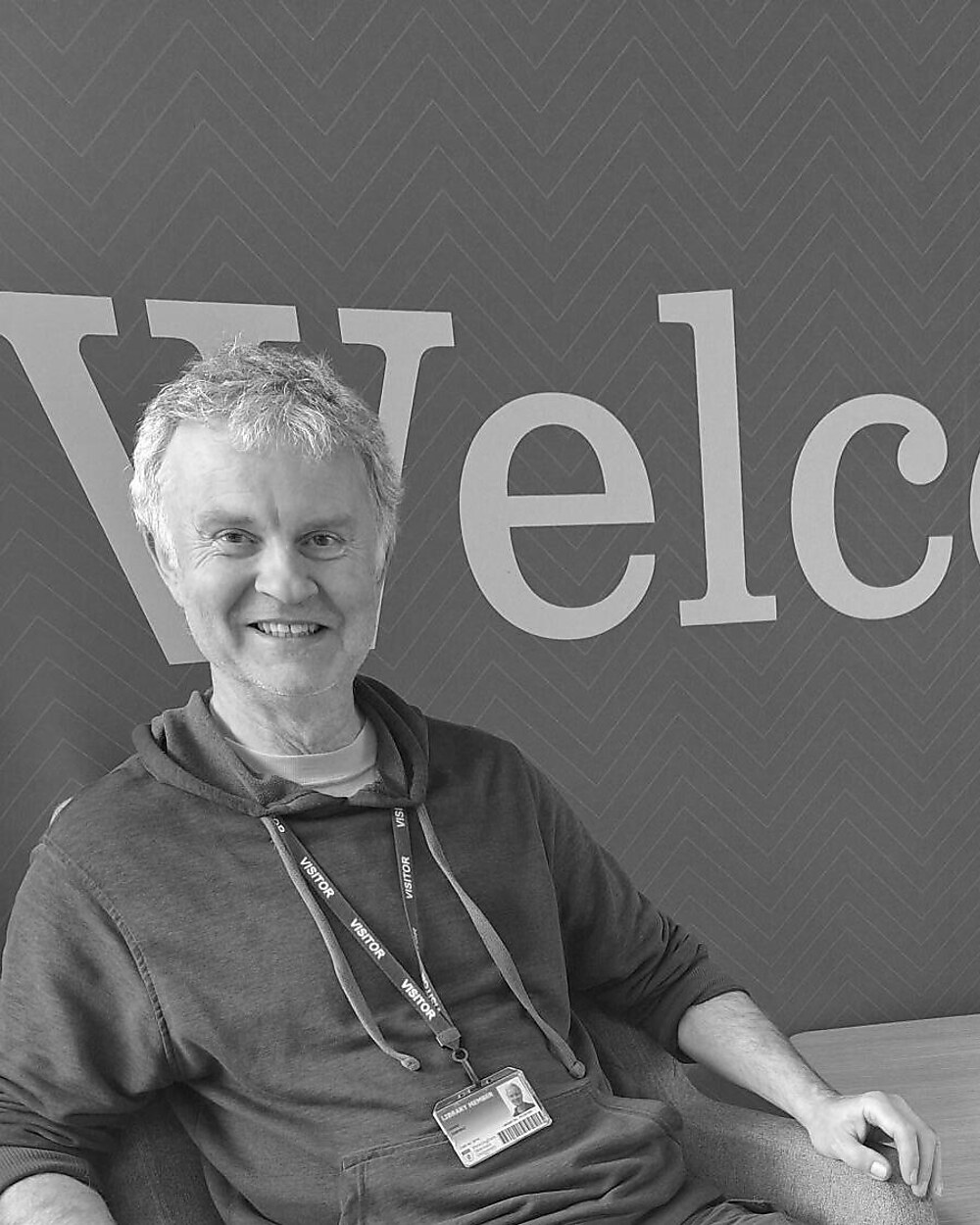
Cosmo Corfield
Freelance Educator / Independent Researcher
Educated at William Shakespeare’s Stratford-upon-Avon school (King Edward VI) and Christopher Marlowe’s Cambridge college (Corpus Christi), Cosmo has freelanced in 300+ UK schools, colleges and universities. His research interest in Carl Jung’s reading of philosophical alchemy incubated during his undergraduate years at the University of St Andrews. (His other academic pursuits include Shakespeare studies, French language and culture and intelligence history.) As a “seventeener”, his interest in the phenomenon was merely piqued by the celebrated December 2017 article published on the front page of The New York Times. However, Ralph Blumenthal’s critically acclaimed 2021 biography of Dr John E. Mack subsequently created the conditions under which a hitherto unresolved dialectic between ontological shock and relief ultimately synthesised into membership of the Visible College. Cosmo is currently working on the psycholinguistic aspects of experiencer encounters with anomalous phenomena.
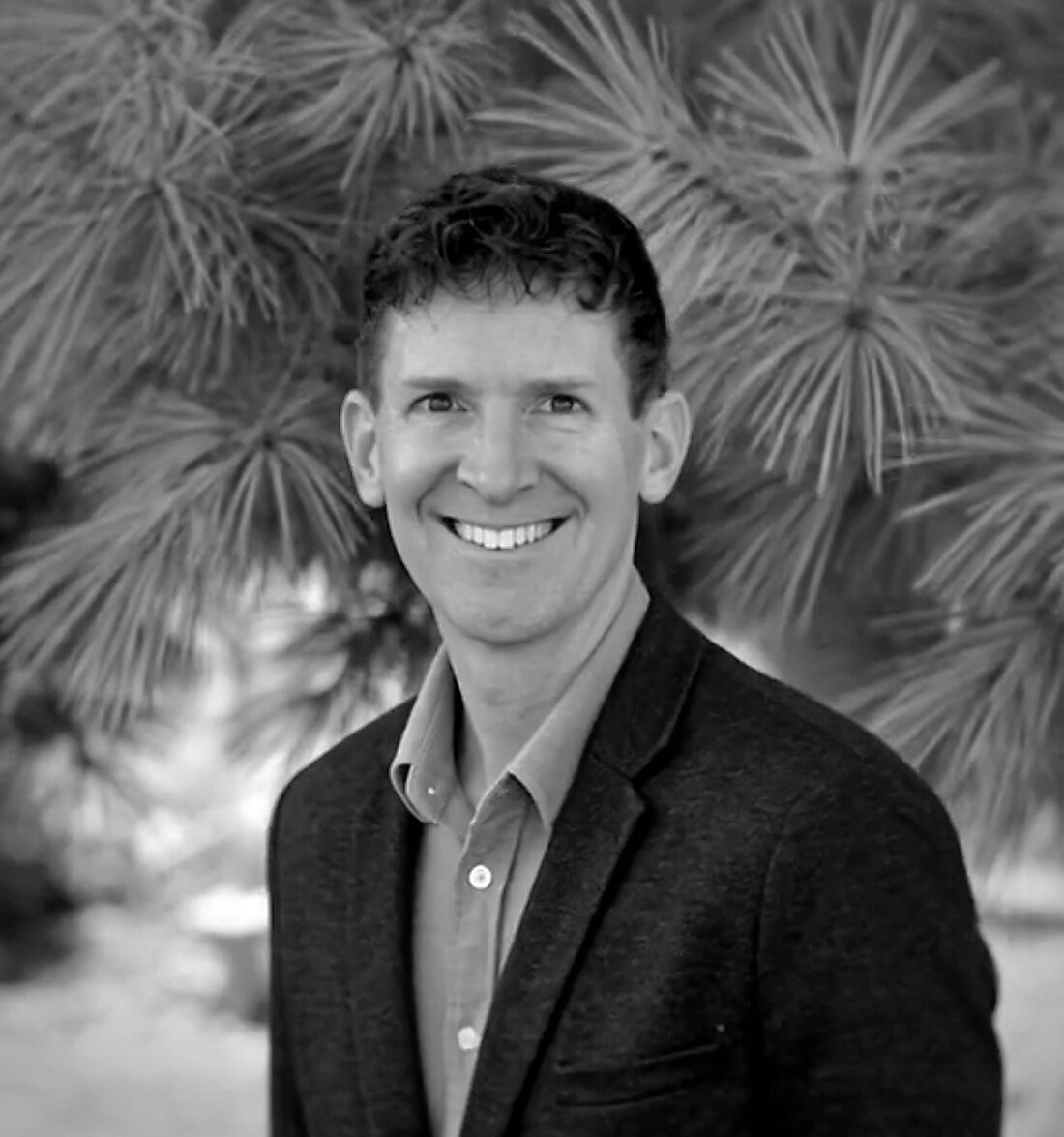
David Bertaina, Ph.D.
Ordinary Professor of History, University of Illinois, Springfield
Bertaina earned his M.T.S. from the Duke University Divinity School and a Ph.D. from The Catholic University of America in Semitic Languages and Literatures. His research and publications focus on the religious history of the late antique and medieval Mediterranean world including encounters between Christians and Muslims. Bertaina’s book Bulus ibn Raja’: The Fatimid Egyptian Convert Who Shaped Christian Views of Islam (2022) includes an account of how Ibn Raja’s conversion to Christianity was tied to an NHI experience. His study of medieval religious experience with the divine connects historical research with contemporary concerns regarding UAP and NHI. Bertaina teaches a course on UFOs and National Security History as well as units on epistemological implications of NHI. In 2026, he was selected as UIS Professor of the Year by student vote.
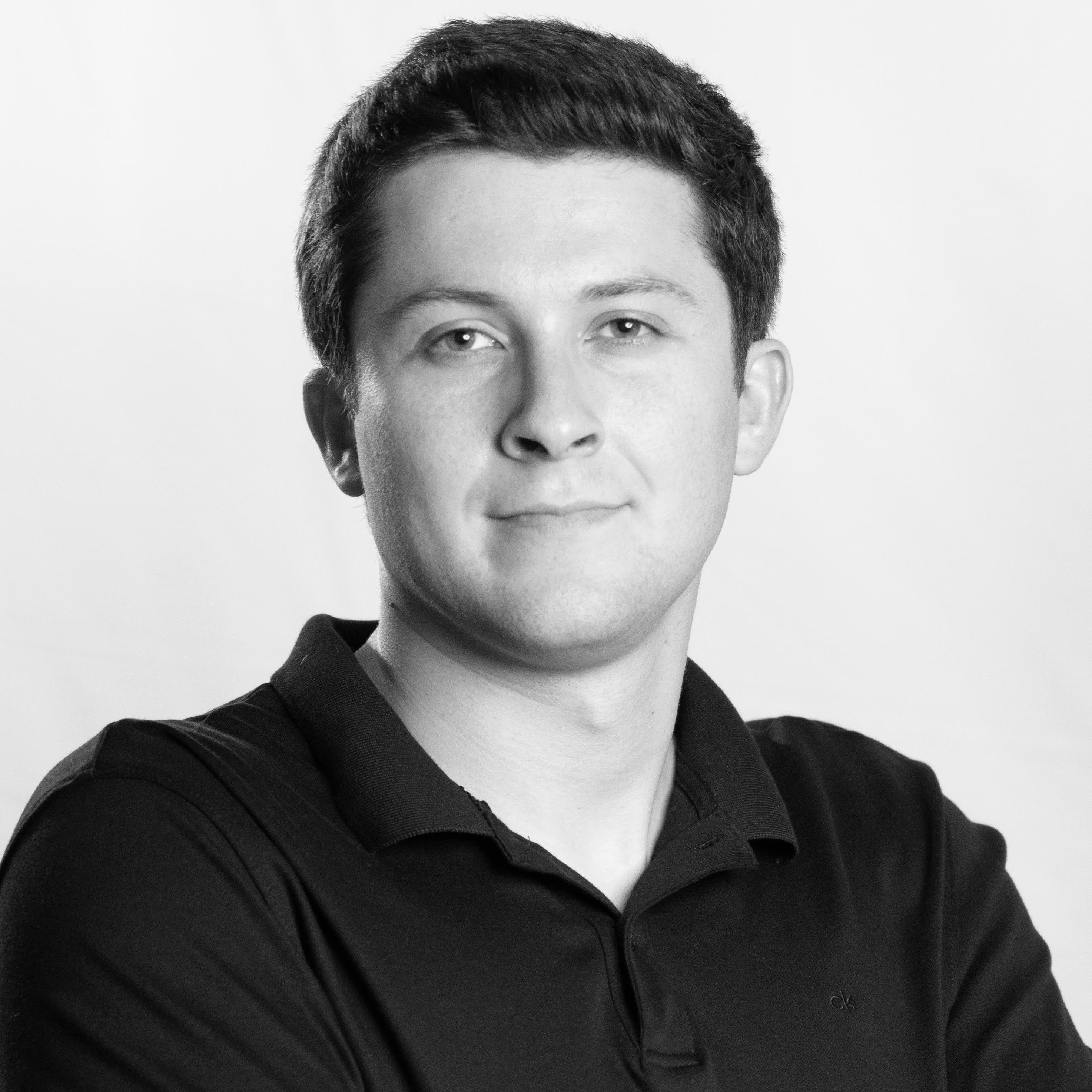
David Dominguez Hooper, B.S.
Founder & Principal Engineer, ELDÆON
David Dominguez Hooper is an engineer and researcher whose work centers on the systematic detection and characterization of Unidentified Anomalous Phenomena (UAP). He holds a bachelor’s degree in Electrical Engineering and Computer Science from the University of California, Berkeley, where he also founded a UAV research organization focused on embedded systems, robotics, and aerial sensing.
Professionally, David has contributed to autonomous drone control systems at Fat Shark, and worked as an FPGA firmware engineer at Velodyne LiDAR, helping develop advanced LiDAR platforms for autonomous and perception-driven systems. Alongside his engineering career, he has managed residential construction projects as a real estate investor and developer.
As founder of ELDÆON, David leads the design and deployment of field-ready, multimodal sensor platforms for UAP research. His systems integrate passive radar, IR/UV imaging, magnetometry, biometrics, disciplined timing via compact atomic clocks, and edge-computing architectures to enable real-time anomaly detection and characterization in diverse environments.
His research interests include passive radar methodologies for non-cooperative targets, phenomenology of transient atmospheric or spatial anomalies, detection of time/space distortions, sensor fusion frameworks for rare-event capture, and generation of rigorous UAP datasets to support interdisciplinary scientific inquiry.
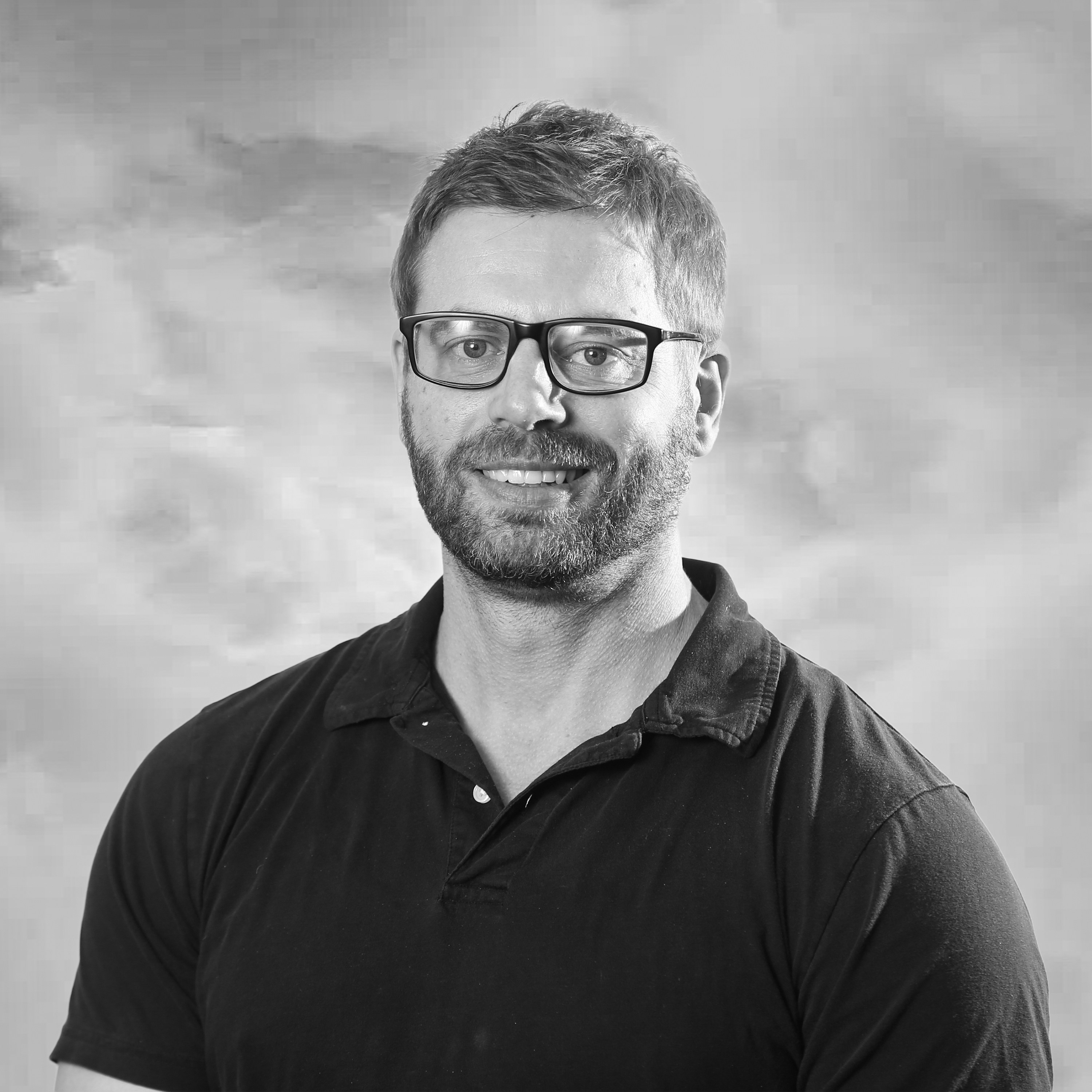
Jeremy C. Fransen, Ph.D.
Assistant Teaching Professor, Arizona State University
Jeremy C. Fransen, Ph.D., received a B.A. in Exercise Physiology from The College of St. Scholastica, an M.S. from the University of Nevada, Las Vegas, and a Ph.D. in Exercise Physiology from the University of New Mexico, where his comprehensive exam earned a Distinction. He has over 15 years of collegiate teaching experience, holding Assistant Professor and Program Director roles at several institutions, including his current position as an Assistant Teaching Professor at Arizona State University. His scholarly focus bridges rigorous human physiology and Space Physiology with the study of non-ordinary experiences and perception. Dr. Fransen’s research investigates the physiological responses of “experiencers,” examining acute and chronic stress hormone fluctuations and mapping areas of the brain that may correlate with intuition or “psi” phenomena. Driven by his own deep intuitive connection to the phenomenon, he aims to quantify the physiological and cognitive links between the experiencer and the craft. This unique, interdisciplinary pathway leads to his mission of using modern pedagogical tools to reimagine adult education on this traditionally stigmatized topic, ultimately guiding humanity toward equitable futures and systemic transformation.
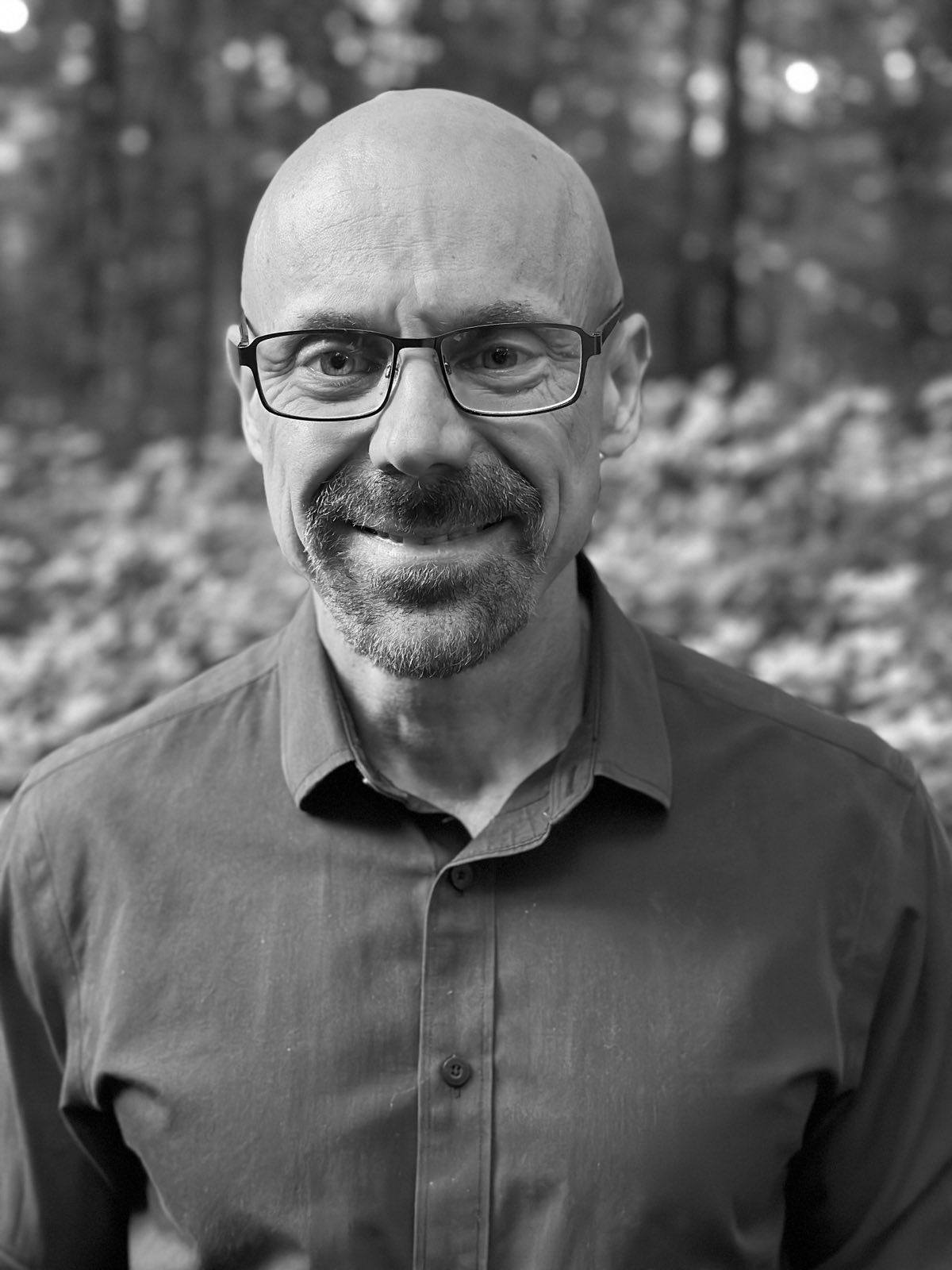
John L. Roberts, Ph.D.
Associate Professor of Psychology, University of West Georgia
After earning a B.A. from Virginia Military Institute, John received his J.D. from Cumberland School of Law, LL.M. from Tulane Law School, and practiced law in the areas of civil rights and plaintiff litigation. Returning to graduate school, John received an M.A. in English from the University of Alabama at Birmingham, specializing in eighteenth-century British literature, critical theory, and rhetoric.
John’s own profound and transformative experiences in humanistic psychotherapy led him to the psychology department at the University of West Georgia, where he earned an M.A. degree. He practiced psychotherapy for several years, and later returned to receive his Ph.D. He is the author of Trauma and the Ontology of the Modern Subject (Routledge).
John’s interests include theoretical and philosophical approaches to psychology, histories of consciousness and subjectivity, and psychoanalysis.
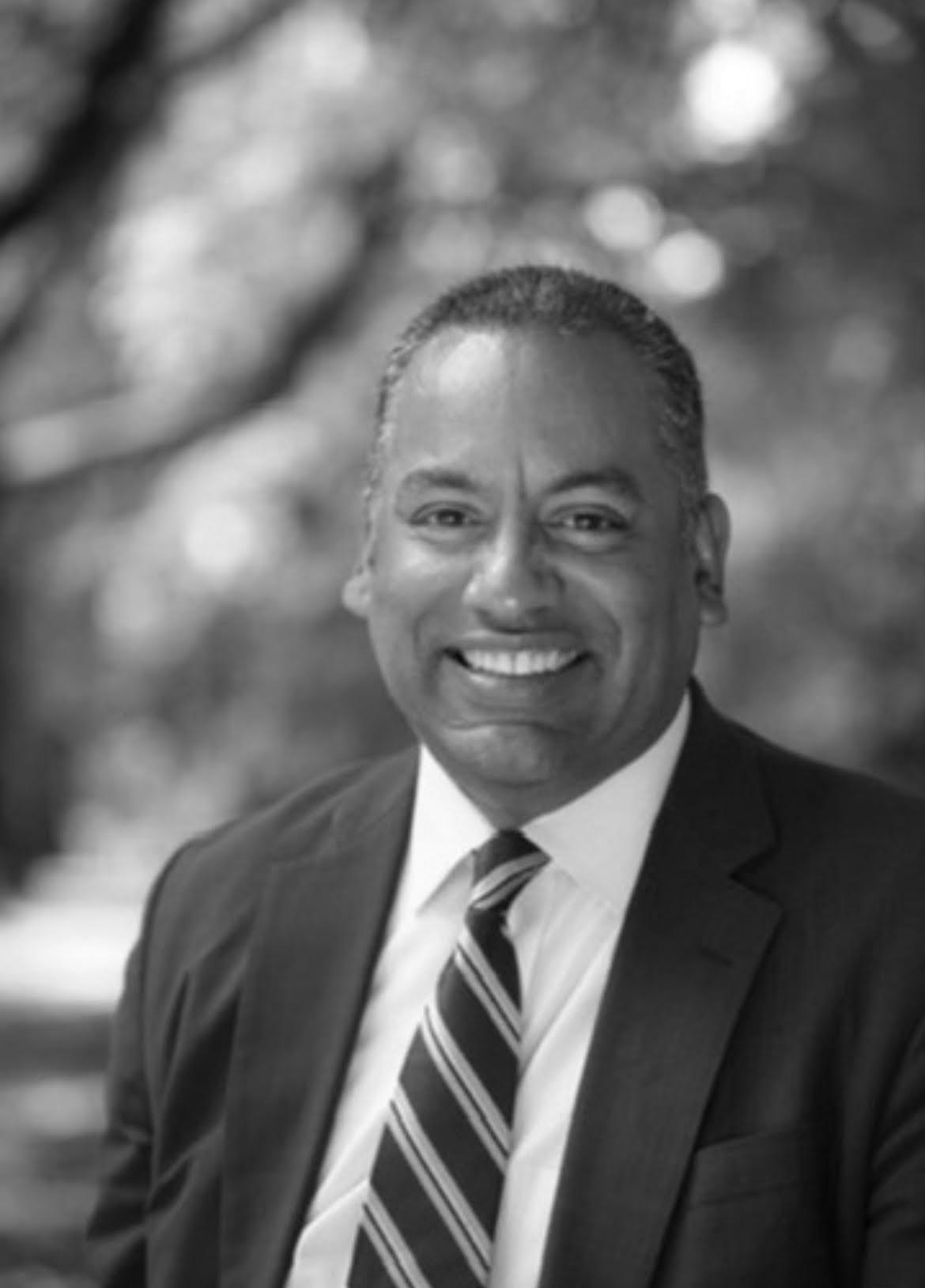
Keith Taylor, Ed.D.
Adjunct Assistant Professor of Criminal Justice, John Jay College
Dr. Keith Taylor has an extensive background in law enforcement and emergency preparedness. His career encompasses a diverse range of positions, including his service as a retired NYPD Sergeant Special Assignment and NYCD Assistant Commissioner. He currently works as an adjunct assistant professor of criminal justice at John Jay College, where he imparts his knowledge and mentors future professionals in the field.
Dr. Taylor holds certifications as an International Association of Emergency Managers board Certified Emergency Manager and Federal Emergency Management Agency Master Exercise Practitioner, underscoring his commitment to excellence in emergency management. He has shared his knowledge by teaching Department of Homeland Security incident management courses nationwide to first responders. He is also an American Society of Industrial Security board Certified Protection Professional.
Dr. Taylor’s involvement with the NYPD’s Emergency Service Unit (SWAT/Heavy Rescue) equipped him with specialized expertise in Weapons of Mass Destruction response. His collaboration with the FBI/NYPD WMD Task Force earned him recognition from then FBI Director Robert Mueller for his role in mitigating a nationally significant incident at the United Nations. Dr. Taylor also served as a Planning Team Manager for the FEMA Urban Search and Rescue Team New York Task Force 1.
He was a 9/11 first responder and supervisor of the NYPD Missing Persons Squad and was inducted to the NYPD Honor Legion for his role in chasing and arresting armed bank robbers during a Bronx bank robbery incident.
As the assistant commissioner in charge of the NYCD Intelligence Bureau, Dr. Taylor developed and improved policies, standards, evaluation methodologies, and specialized training programs, fostering effective interagency law enforcement coordination at local, state, and federal levels.
During the COVID-19 pandemic, Dr. Taylor served his community by actively deploying for one year as a second lieutenant with the New York State Guard and was honored by the New York State Governor with the New York State Pandemic Response Service Ribbon.
Dr. Taylor has engaged with major news outlets such as CNN, Fox News, CBS, NBC, BBC, New York Times, The Washington Post, The Boston Globe, al Jazeera, NPR, Univision, and many others, providing expert commentary on major criminal incidents and law enforcement response. He has contributed regularly as a law enforcement analyst on Court TV’s Closing Arguments program as well as Very Local’s Crimes, Cons, and Capers program.
In 2023 Dr. Taylor was invited to present at the United States Mission to the United Nations, where he shared his expertise on the challenges posed by small arms and light weapons.
Dr. Taylor earned a Bachelor of Science degree from Howard University, followed by a Master’s degree in Sociology from the City College of New York. He received a full scholarship to obtain a second Master’s degree in National Security Studies from the Naval Postgraduate School, and obtained his third Masters degree focusing on public safety from the University of Virginia. His doctorate in education is from Columbia University’s Teachers College. He is a graduate of FBI National Academy Session 294.

Mike Senter-Zapata, M.D.
Instructor of Medicine, Harvard Medical School
Dr. Senter-Zapata is a practicing, board-certified Internal Medicine attending physician at Brigham and Women’s Hospital, an Instructor of Medicine at Harvard Medical School, and research faculty at the Healthcare Transformation Lab at Massachusetts General Hospital. His medical research focuses on how clinical decision support tools and artificial intelligence can improve healthcare delivery and medical training. He serves as the Vice President of Research at the American Medical Extended Reality Association and as an Associate Editor of the Journal of Medical Extended Reality.
Dr. Senter-Zapata earned a bachelor’s degree from Harvard University in Human Evolutionary Biology and completed medical school at Washington University in St. Louis School of Medicine. He then completed Internal Medicine residency training at Brigham and Women’s Hospital/Harvard Medical School followed by a Healthcare Innovation research fellowship at Massachusetts General Hospital.
Dr. Senter-Zapata is interested in the immediate and long-term biological effects of anomalous health incidents.
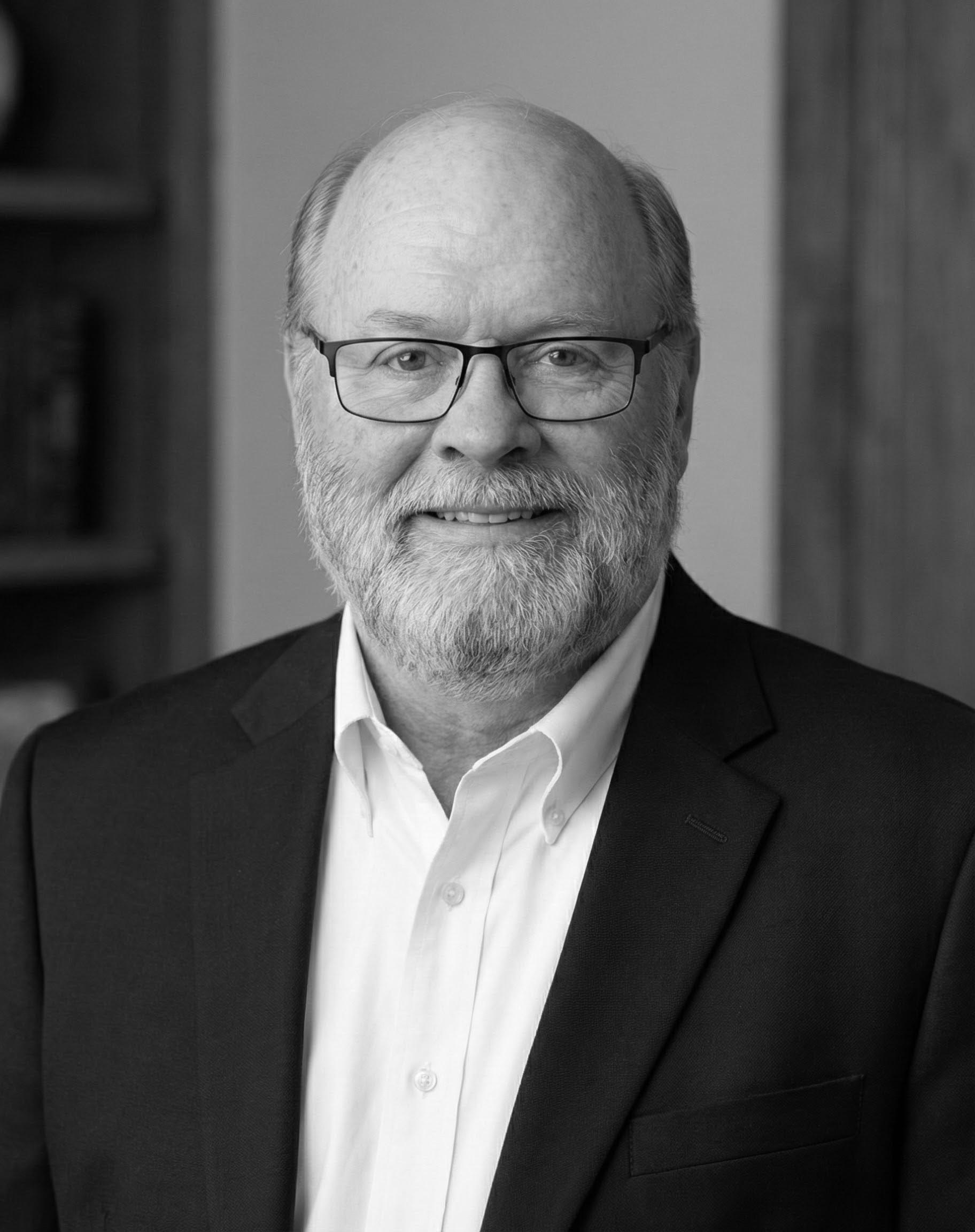
Robert W. "Science Bob" McGwier, Ph.D.
Mathematician, Data Scientist & Entrepreneur
Robert W. McGwier, Ph.D. (“Science Bob”) is a mathematician, data scientist, and entrepreneur whose career bridges the classified world of national intelligence and the open frontiers of commercial space and scientific anomaly research. For 25 years, Bob served as a member of the technical staff at the Institute for Defense Analyses’ Center for Communications Research (IDA/CCR) in Princeton, NJ, effectively working for the National Security Agency.
In 2011, Bob was appointed Director of Research of the Hume Center for National Security and Technology at Virginia Tech in Blacksburg, VA, where he was also research professor in the Department of Electrical and Computer Engineering. Bob successfully commercialized his research by co-founding two transformative companies, Federated Wireless and HawkEye 360, and he currently serves on Skywatcher’s board of advisors.
And many others who are navigating their own visibility on this important topic.
Public Figures
Scholars working publicly in UAP Studies or adjacent fields who are not directly associated with The Visible College, but whose work we consider integral to an understanding of the subject area as a whole.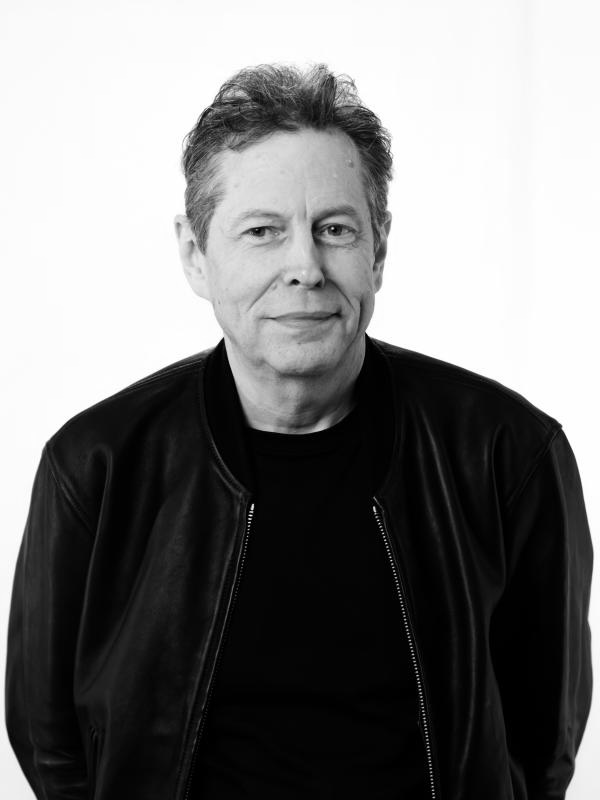
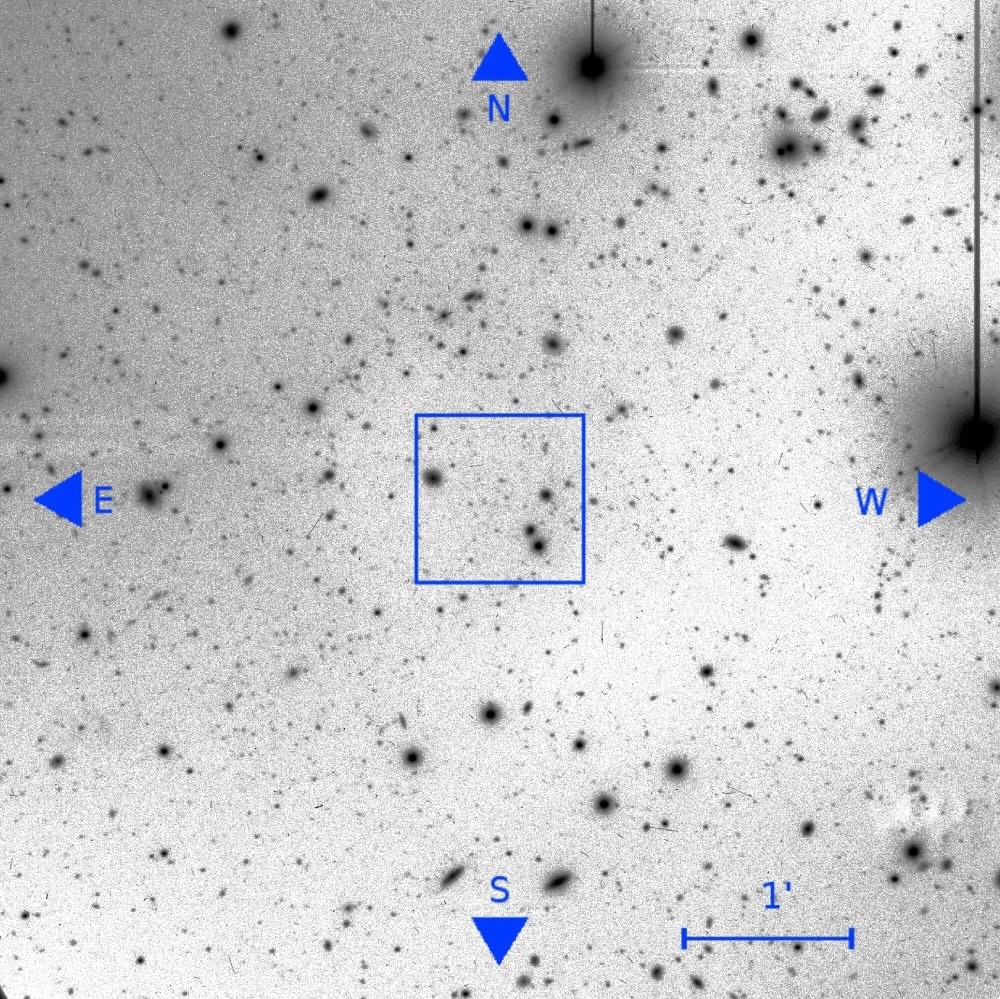
Beatriz Villarroel, Ph.D.
Astronomy Researcher at the Nordic Institute for Theoretical Physics
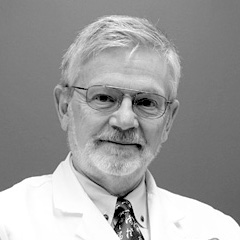
Christopher "Kit" Green, M.D., Ph.D.
Professor in Forensic Neuroimaging, Department of Psychiatry and Behavioral Neurosciences, Wayne State University Medical School and Detroit Medical Center
Former Senior Division Analyst for Neurosciences, Central Intelligence Agency (CIA)
- Paper
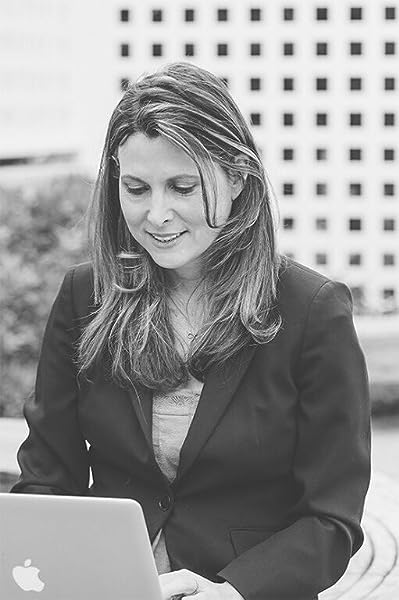
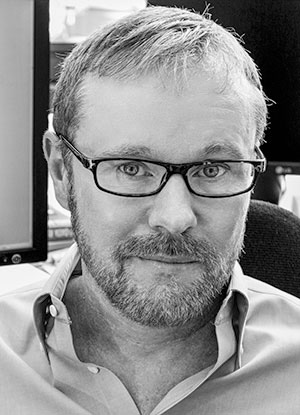
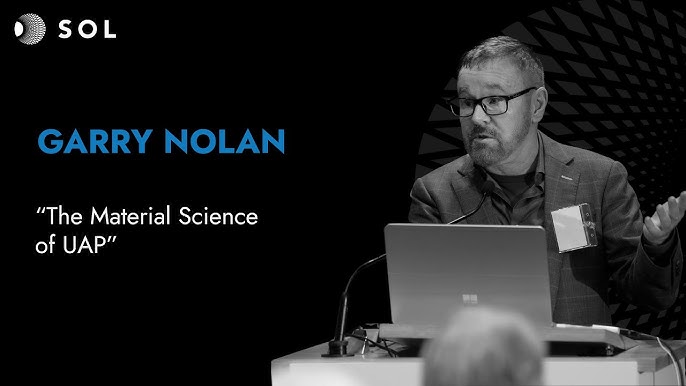
Garry P. Nolan, Ph.D.
Executive Director of the Board, Sol Foundation
Professor in the Department of Pathology, Stanford University School of Medicine
- Talk
- Interview
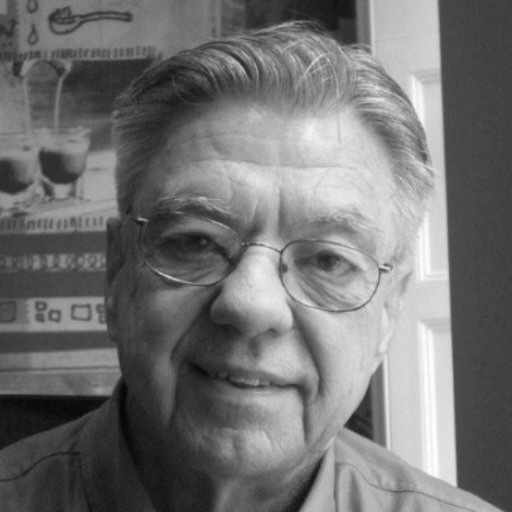
Harold "Hal" Puthoff, Ph.D.
Founder and president, EarthTech International and the Institute for Advanced Studies at Austin
Former research scientist and consultant at Stanford Research Institute (SRI) and the National Security Agency (NSA)
- Talk
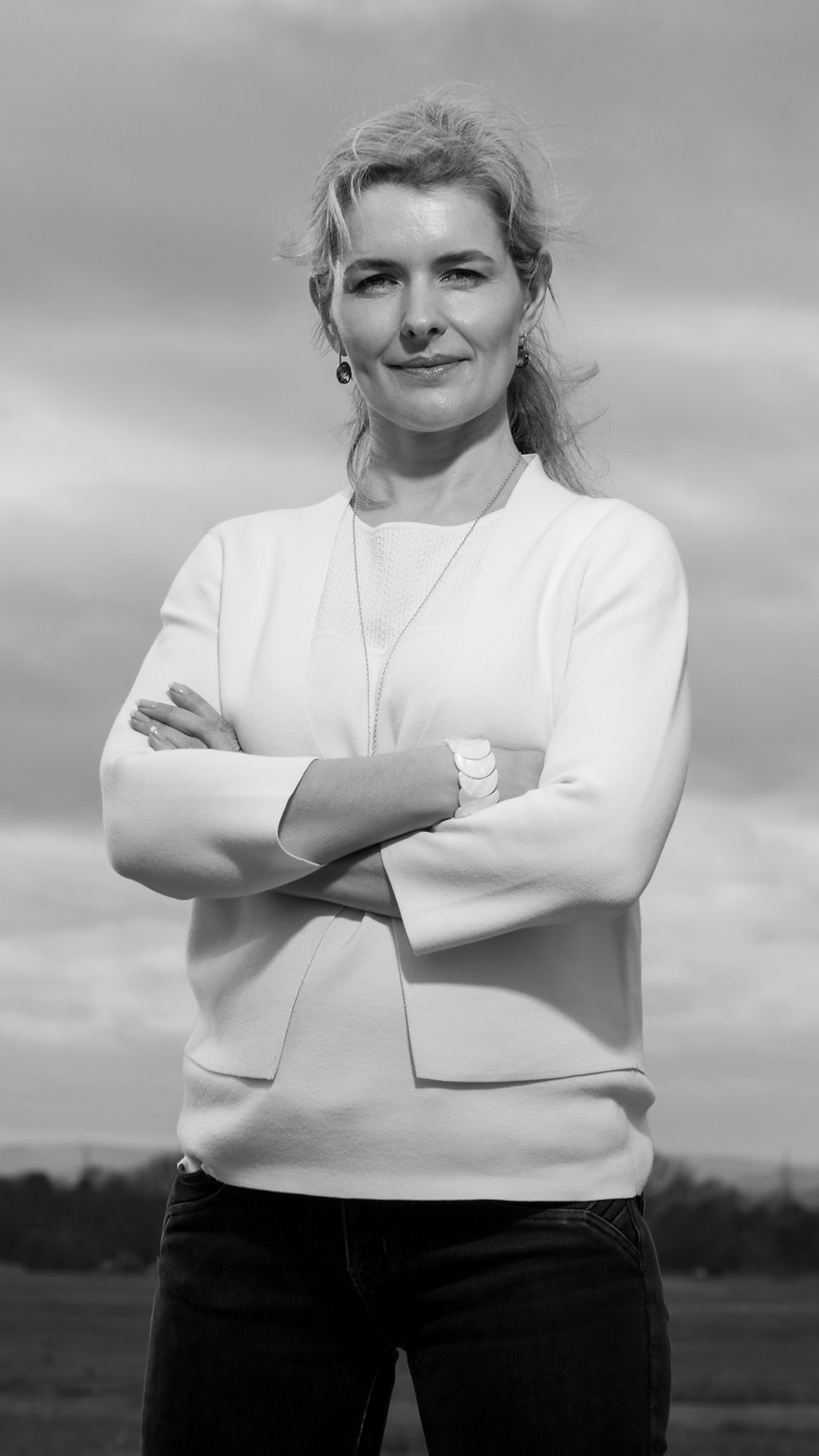
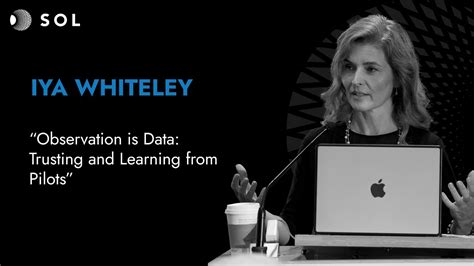
Iya Whiteley, Ph.D.
Space Psychologist and Director of the Centre for Space Medicine, Department of Space and Climate Physics, University College London (UCL)
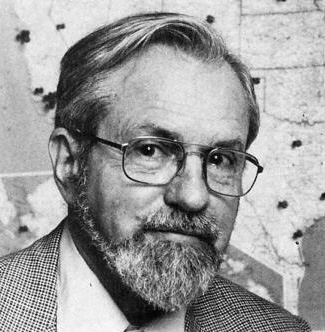
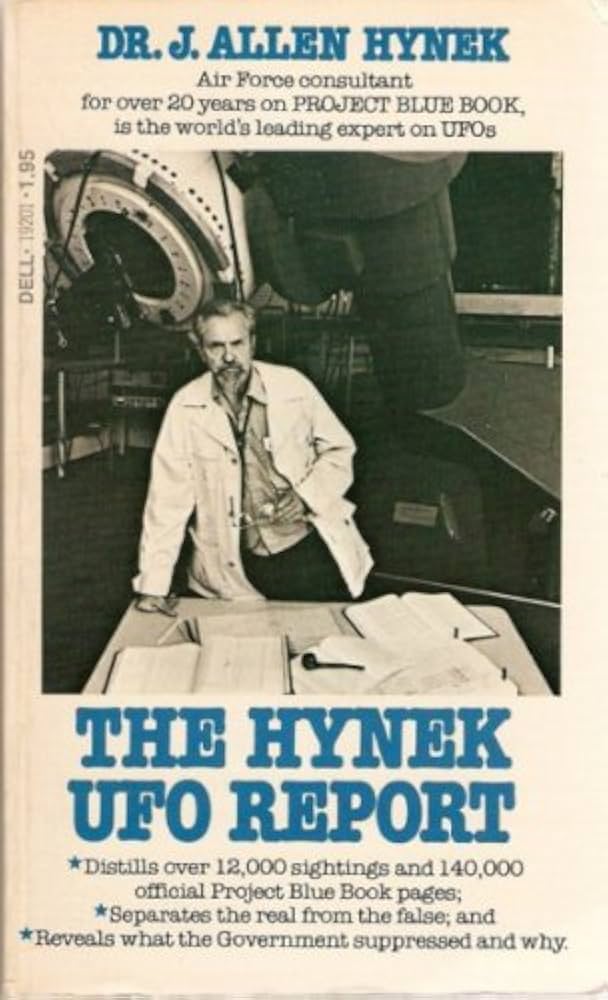
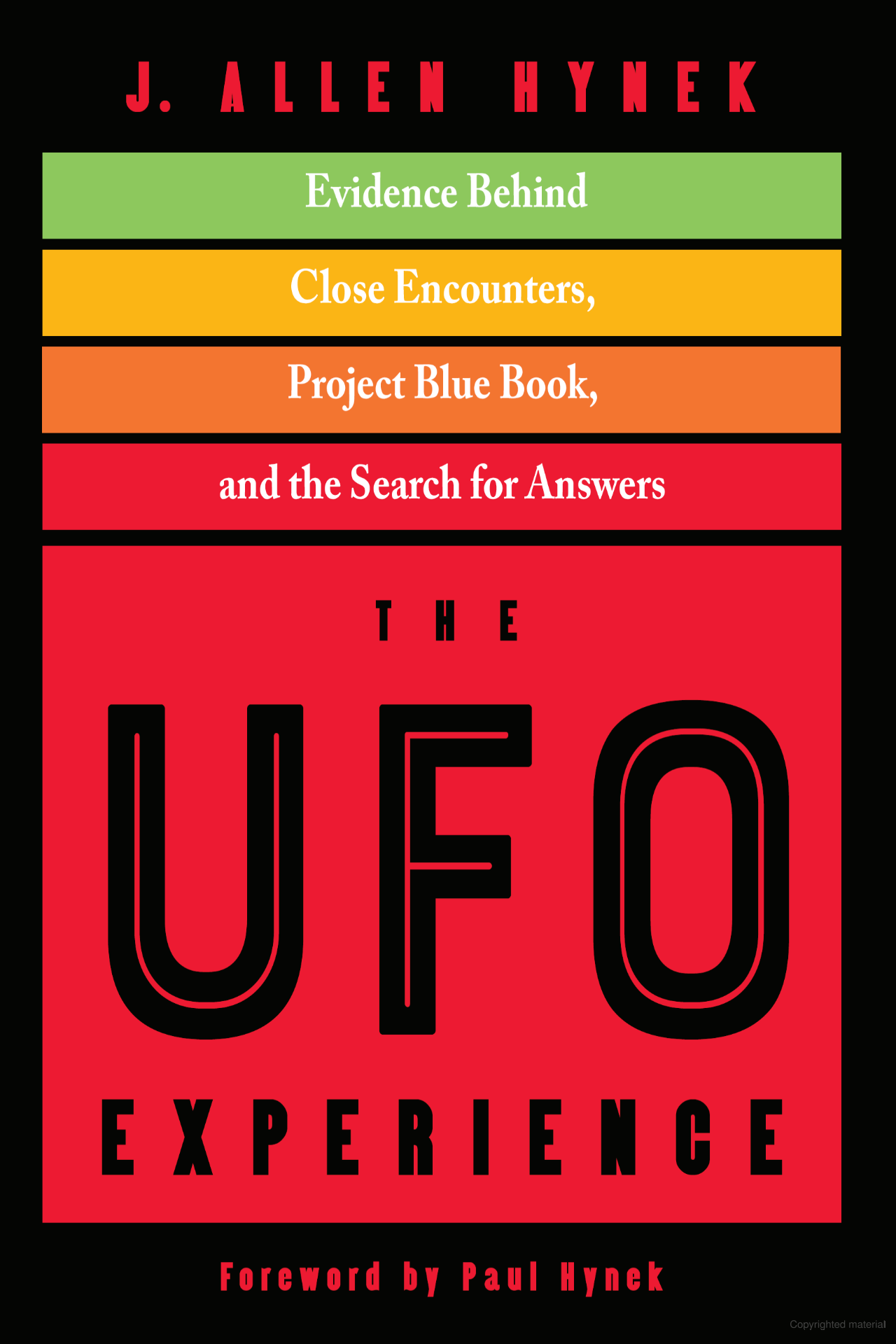
J. Allen Hynek, Ph.D.
Astronomer, Scientific Advisor to the US Air Force - Project Sign, Project Grudge, and Project Blue Book
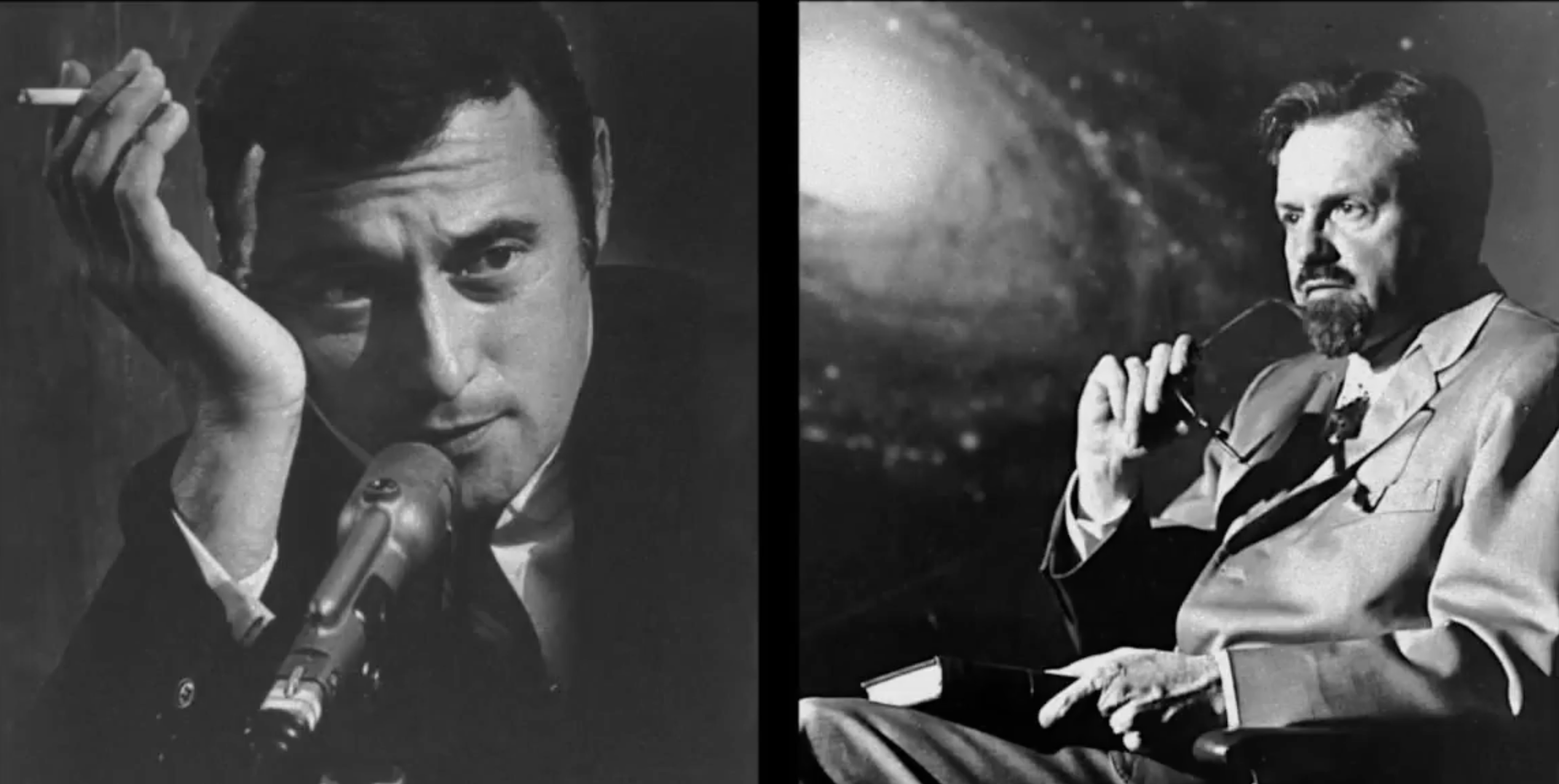
Jacques Vallee, Ph.D.
Computer scientist, venture capitalist, author, ufologist, and astronomer
- Talk
- Book
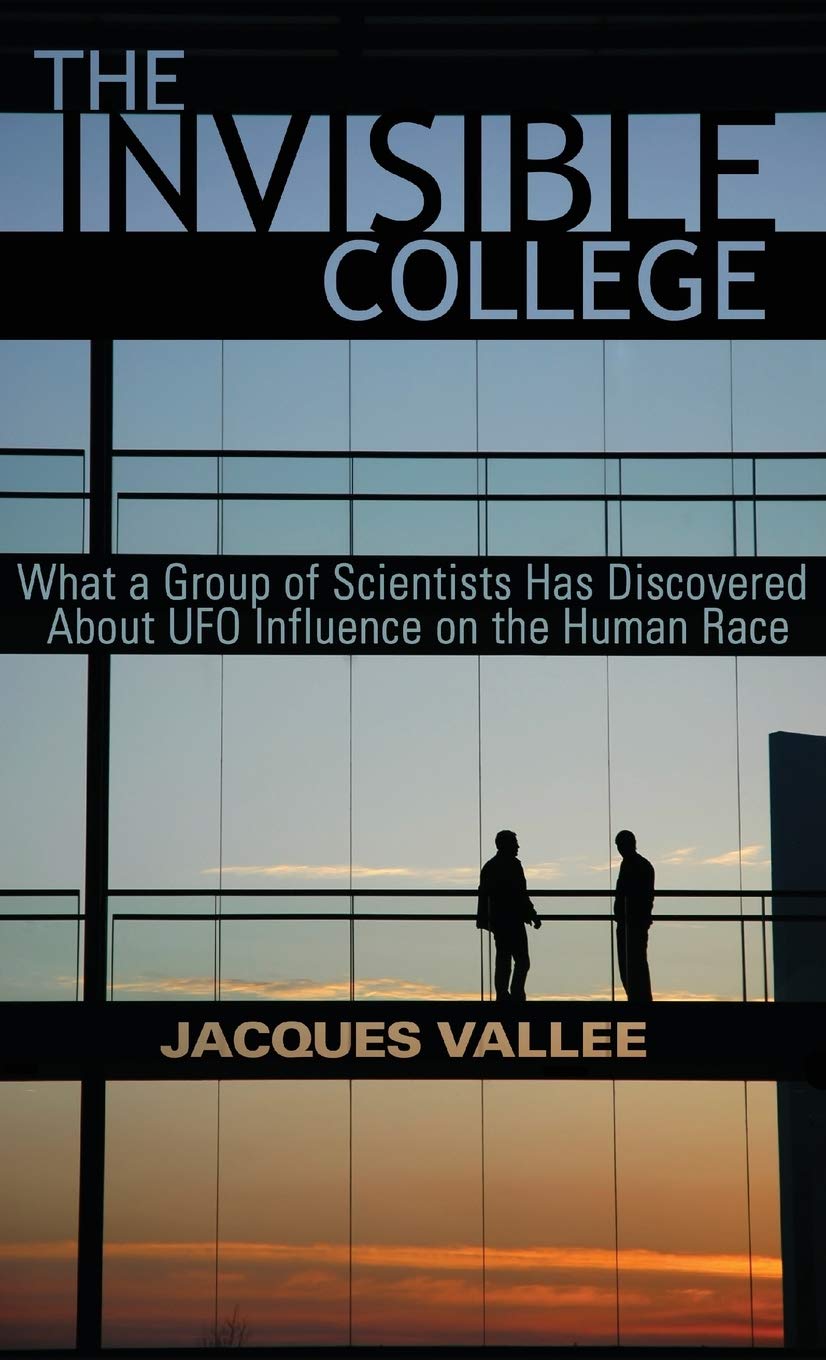 The Invisible College: What a Group of Scientists Has Discovered About UFO Influence on the Human Race1975 (Anomalist Books)
 - Book
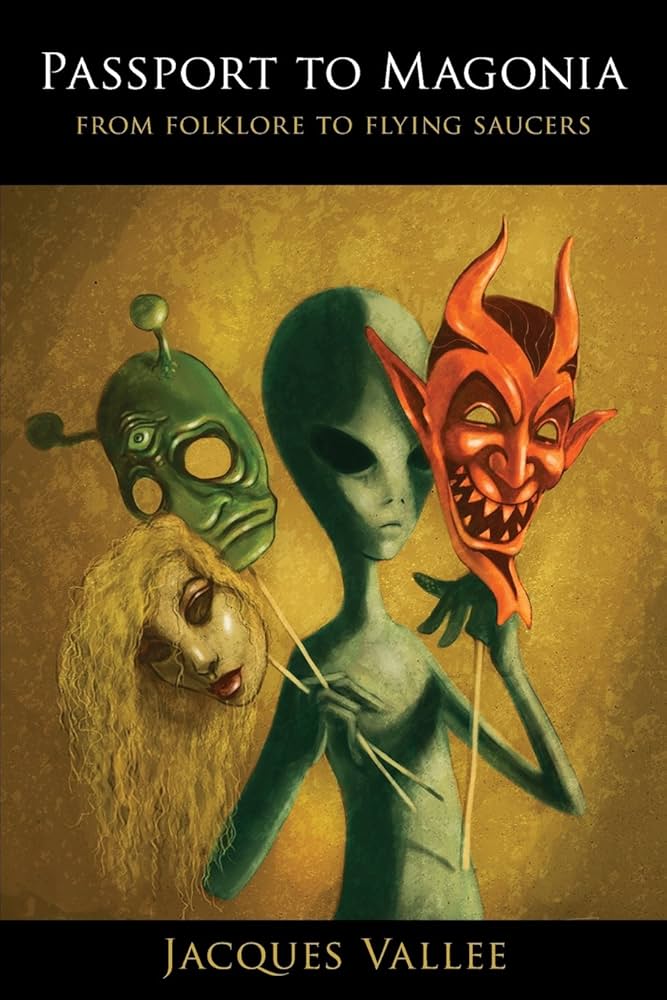
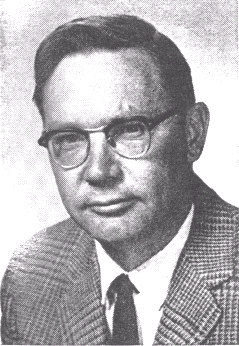
James E. McDonald, Ph.D.
Physicist, Professor of Atmospheric Sciences
- Paper
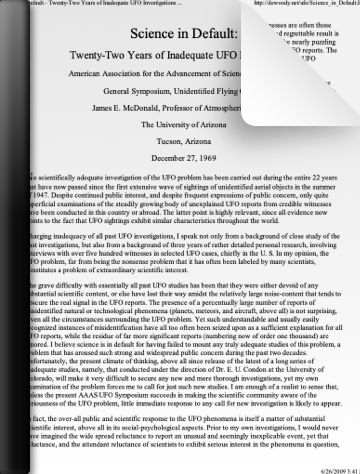 Science in Default: Twenty-Two Years of Inadequate UFO Investigations1969 (University of Arizona: American Association for the Advancement of Science, 134th Meeting)
 - Statement
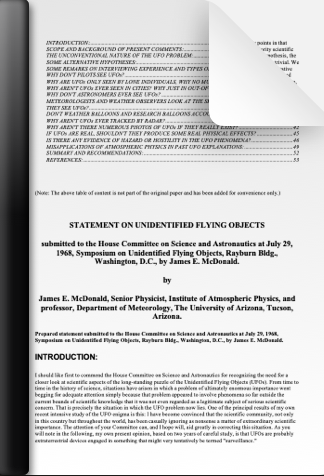 Statement on unidentified flying objects, submitted to the House Committee on Science and Astronautics1968 (July 29, 1968 Symposium on Unidentified Flying Objects, Rayburn Bldg., Washington, D.C.)
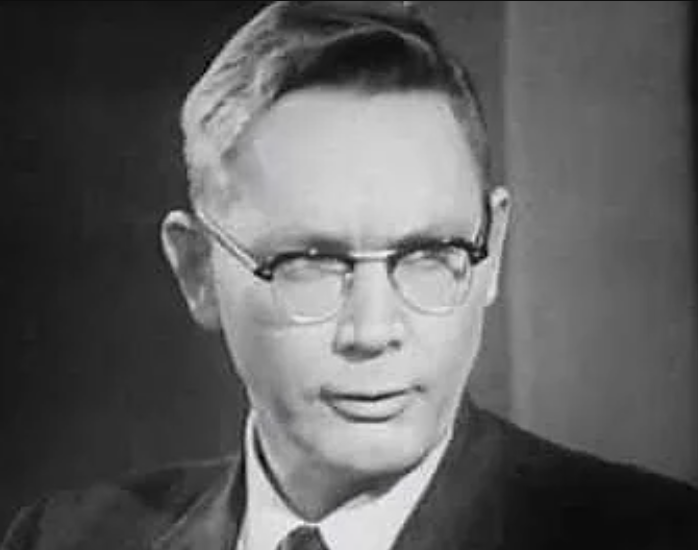
 - Interview
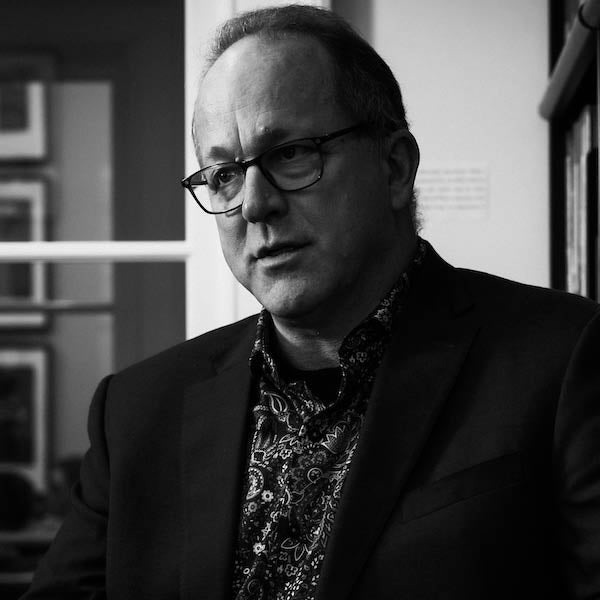
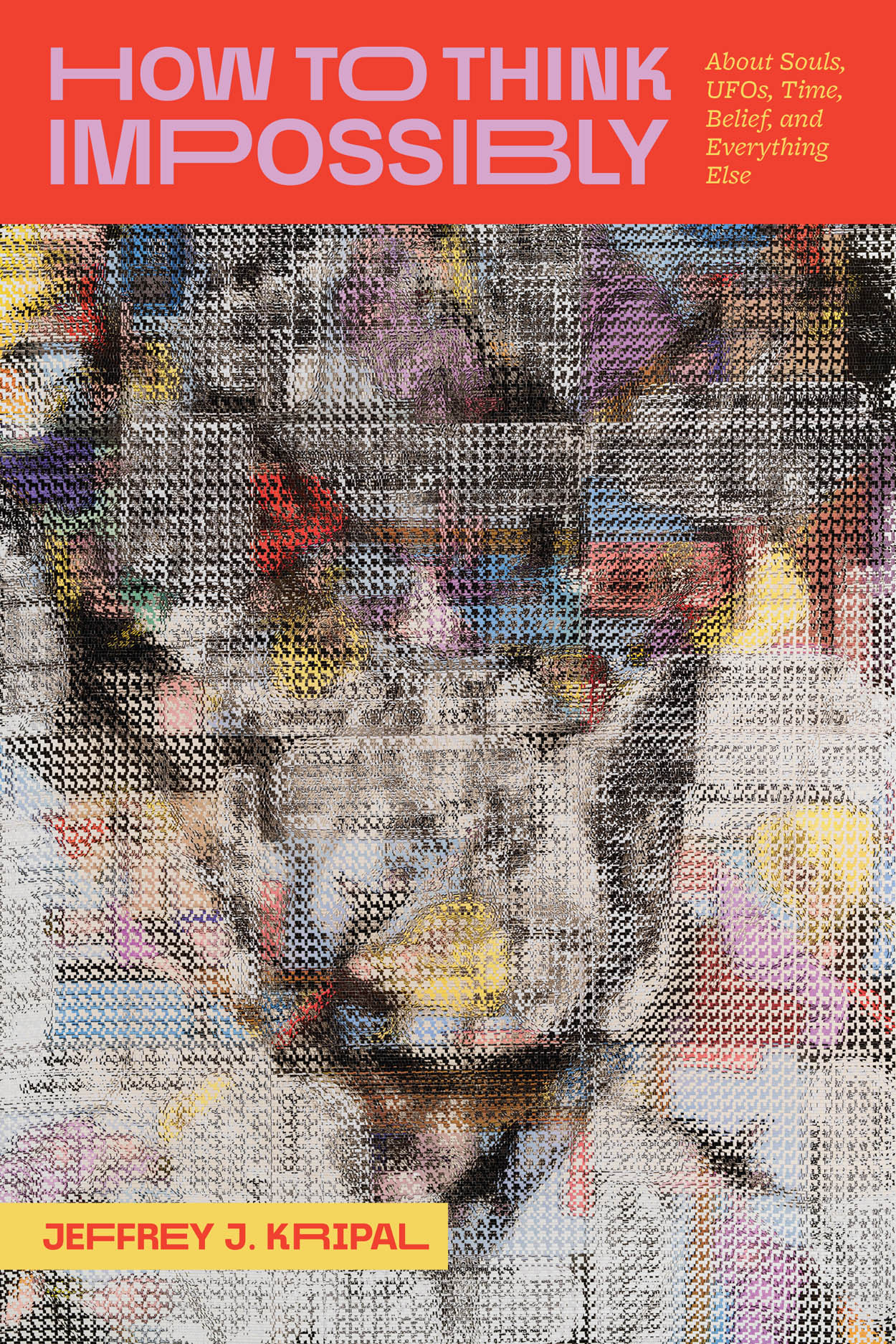
Jeffrey Kripal, Ph.D.
J. Newton Rayzor Chair in Philosophy and Religious Thought, Rice University
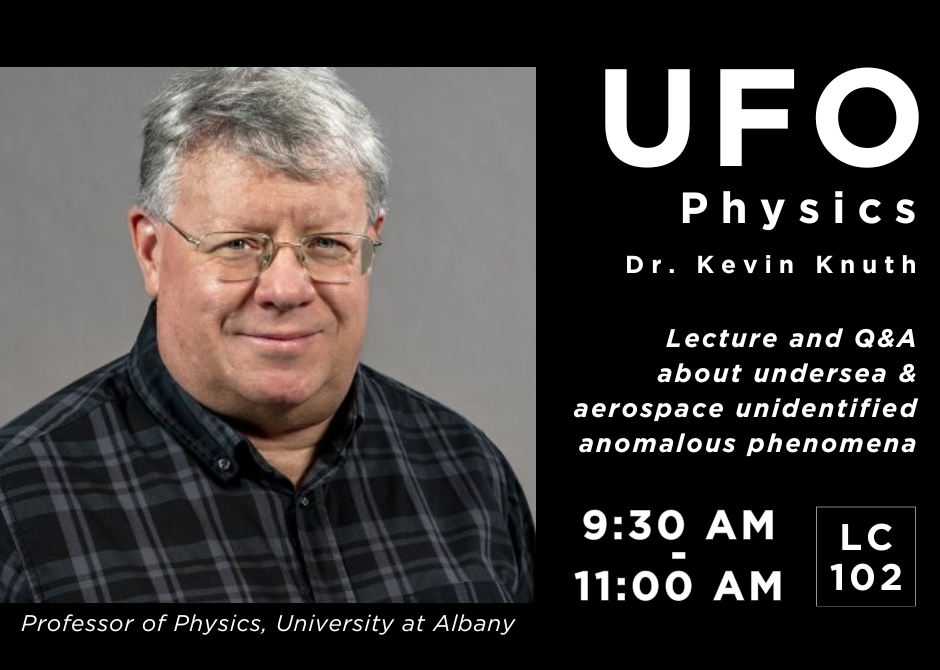
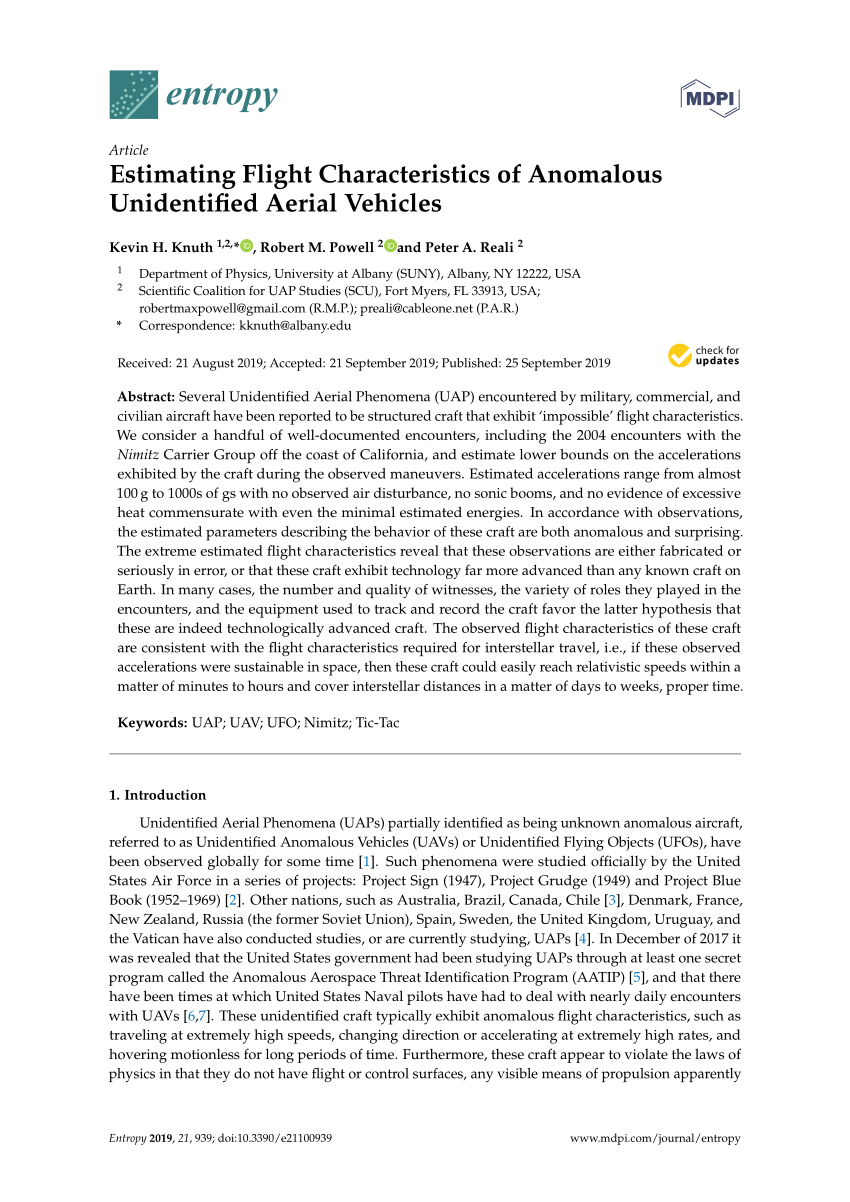
Kevin Knuth, Ph.D.
Professor of Physics, University at Albany